 ArtGuess.io
The Master of Two Worlds: The Luminous Legacy of Eliseu Visconti
By Bruno, Founder of ArtGuess.io
• 5 min read
If you’ve spent any time on ArtGuess.io, you’ve likely encountered a canvas that feels like a sun-drenched bridge between the bustling streets of Belle Époque Paris and the vibrant, tropical shores of Rio de Janeiro. That bridge was built by one man: Eliseu Visconti.
Regarded as the most important Brazilian impressionist, Visconti didn’t just paint scenes; he painted light. His career was a lifelong journey of capturing the "vibration" of the world around him, moving fluidly between academic rigor, Art Nouveau decorative flair, and pure Impressionist joy.
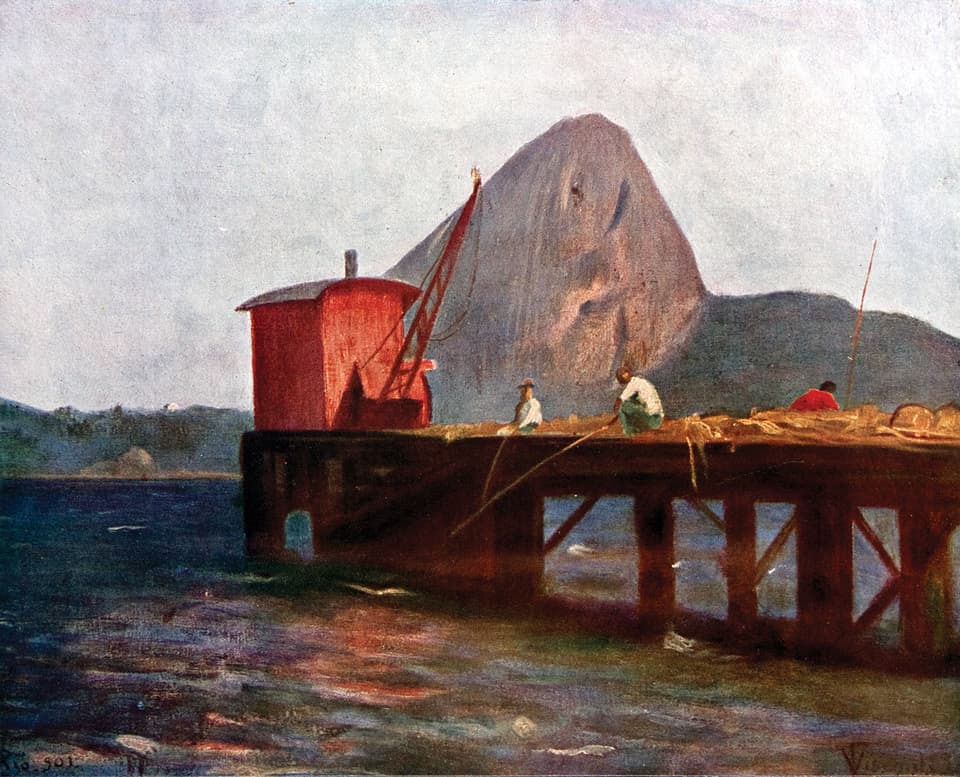
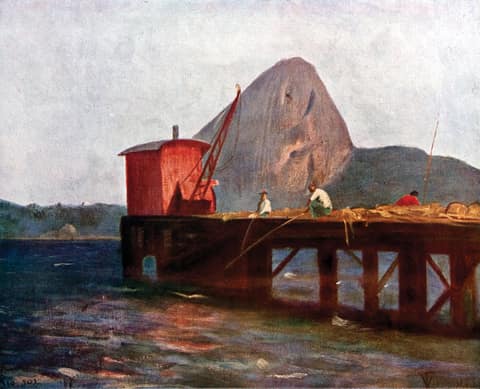
Pão de Açúcar (1901) - A shift towards vibrant, tropical light.
From Rio to the Académie Julian
Visconti was born in Italy but moved to Brazil as a child, eventually finding himself back in Europe on a prestigious scholarship. His early years in the 1890s were defined by a rigorous study of the human form. If you see a stark, technically brilliant academic study in your ArtGuess feed—like his Nu masculino sentado (1894) or the Busto de homem (1898)—you are likely looking at his formative years in Paris.
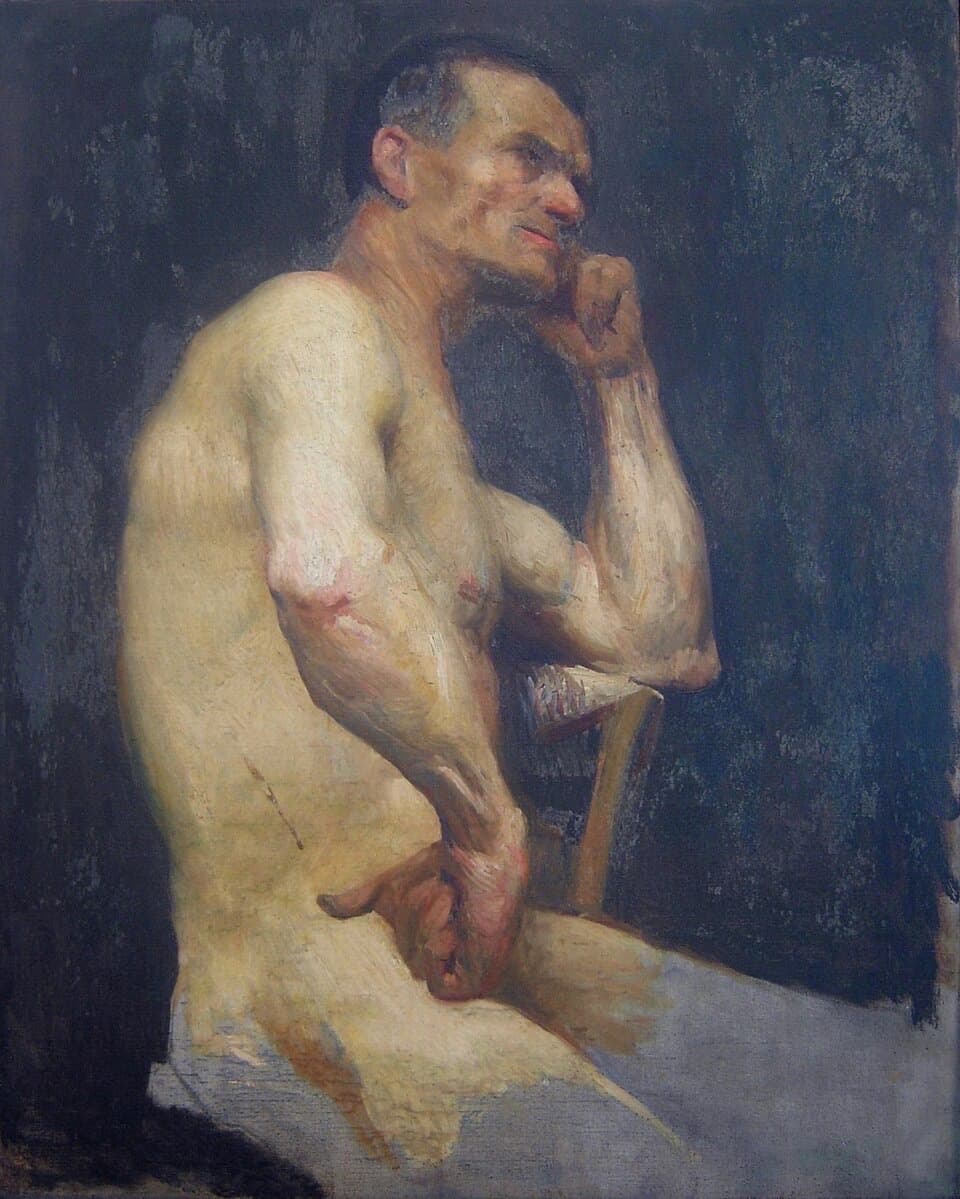
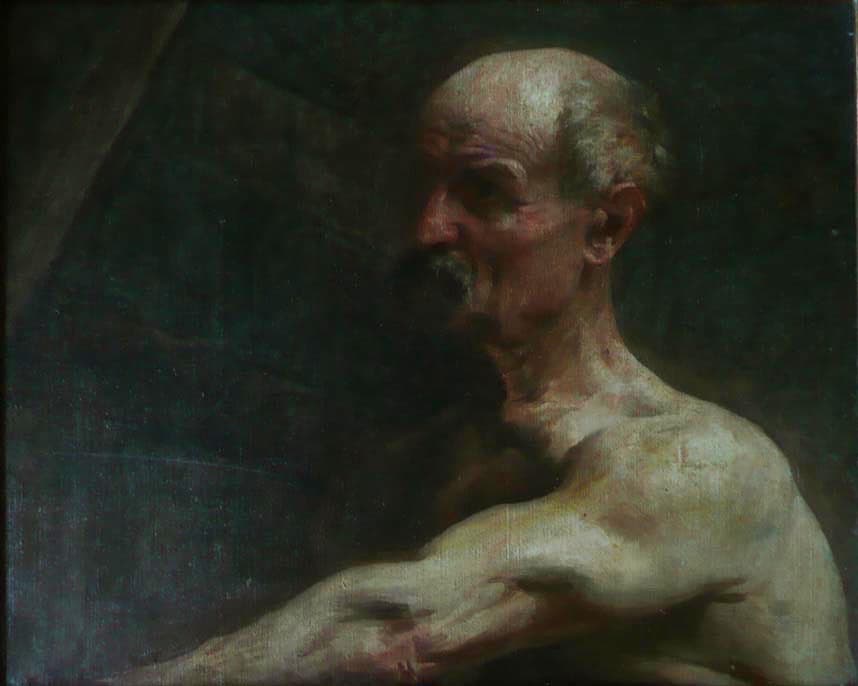
During this time, Visconti frequented the famous Académie Julian. His work from this period, such as Nu deitado (1896) and Figura feminina (1899), shows a master at work, absorbing the classic European traditions while slowly beginning to experiment with the softer, more broken brushstrokes that would define his later career.
Capturing the "Carioca" Spirit
Returning to Brazil, Visconti became the catalyst for modern art in the country. He didn't just bring back French techniques; he adapted them to the unique, harsh, and beautiful light of the tropics.
One of his most iconic early 20th-century works is Pão de Açúcar (1901), painted from Praia do Flamengo. Here, we see the shift: the colors are brighter, the atmosphere thicker. He began to document the rapid transformation of Rio de Janeiro. Whether it was the architectural charm of the Igreja de Santa Teresa (1927) or the burgeoning social scene in Copacabana (1925), Visconti’s brush was there to witness it.
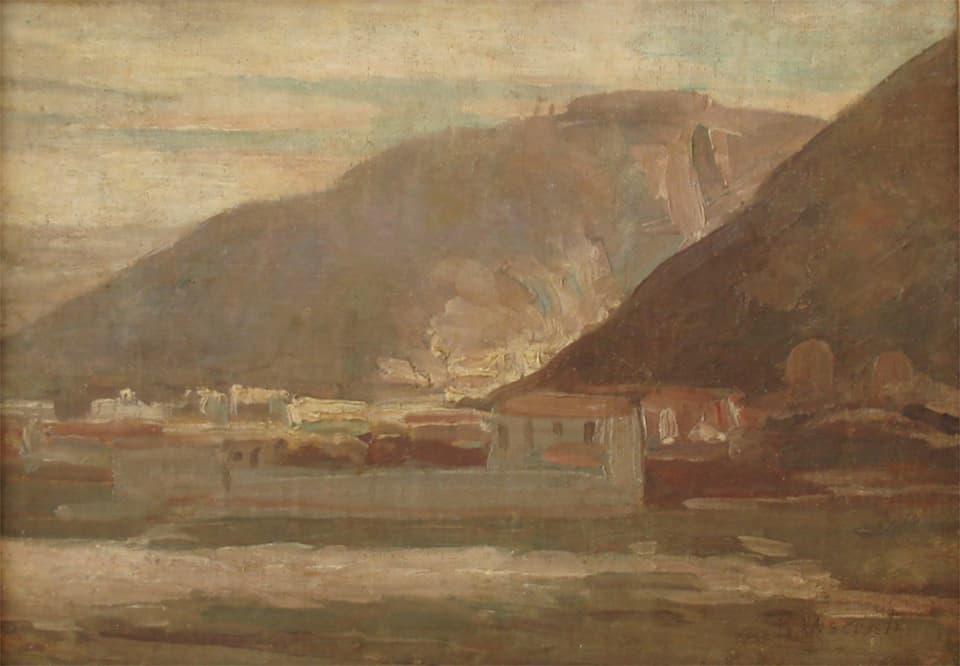
Copacabana (1925) - Documenting the burgeoning social scene of Rio.
A Private World in Teresópolis
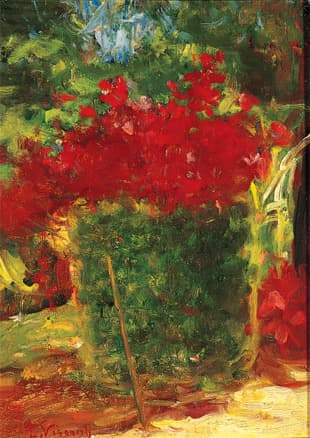
As he aged, Visconti’s work became increasingly personal and intimate. He spent significant time in the mountains, away from the city heat. Works like Serra de Teresópolis (1930) and the touching Meu jardim (1943)—one of his later pieces—show a man at peace with nature.
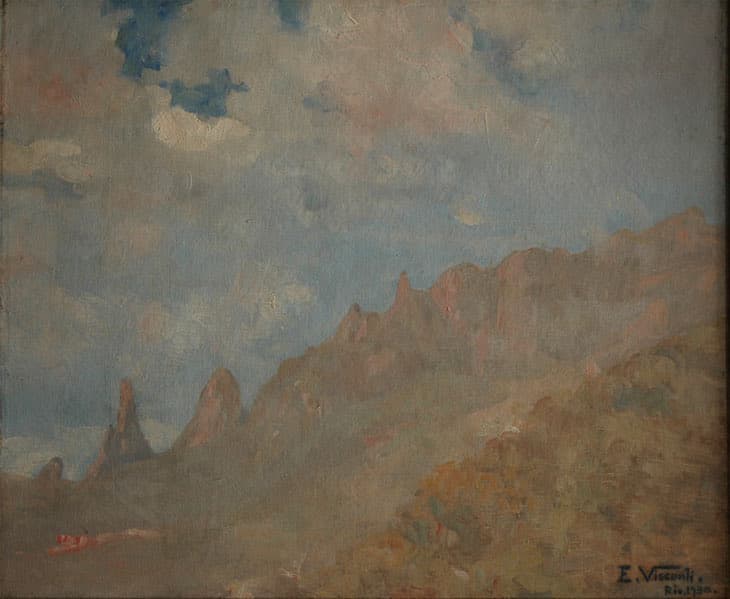
His self-portraits also tell a story of a lifetime dedicated to the craft. Compare the youthful, searching gaze in Autorretrato c. 1912 (painted in Paris) with the dignified, wise presence in Autorretrato 1942 (painted in Rio). It’s the visual diary of an artist who never stopped evolving.
How to Win at ArtGuess: The Visconti Strategy
Stuck on a Visconti painting in your daily ArtGuess.io round? Here is the secret sauce for pinning down his locations:
- Look at the Light: If the light is soft, grey-blue, or filtered through a studio window, guess Paris (especially if it’s an academic nude from the 1890s). If the light is golden, intense, and feels like you can almost feel the humidity, lean toward Rio de Janeiro.
- Identify the Landmarks: This is the easiest win! If you see the iconic silhouette of Sugarloaf Mountain, you’re at Praia do Flamengo. If you see white sand and early 20th-century beachgoers, it’s Copacabana.
- The Rural Clue: Visconti spent a specific period (roughly 1915–1916) in Saint-Hubert, France. If you see a wheat field (Trigal) or a French country cottage that doesn't look like the Brazilian tropics, check for those dates.
- Mountain vs. City: If the painting features lush, mountainous greenery and domestic gardens (like Meu jardim), it’s likely Teresópolis, the mountain retreat where he spent his later years.
Mastering Visconti is all about recognizing the transition from the academic studios of France to the sun-soaked landscapes of Brazil. Ready to test your eyes? Head over to ArtGuess.io and see if you can spot the master!