 ArtGuess.io
The Master of Light and Shadow: Navigating the Dramatic World of Mihály Munkácsy
By Bruno, Founder of ArtGuess.io
• 5 min read
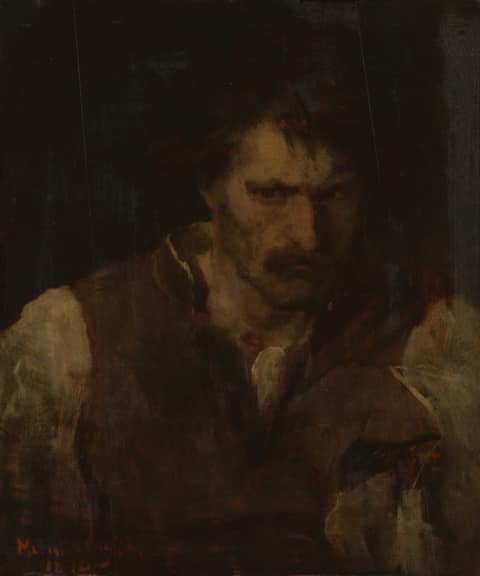
In the high-stakes world of ArtGuess.io, landing on a canvas that feels heavy with drama, deep browns, and piercing light usually means one thing: you’ve found a Mihály Munkácsy.
Munkácsy was the 19th century’s ultimate "rockstar" painter. Born in Hungary, he rose from a humble carpenter’s apprentice to become one of the most celebrated and wealthy artists in Paris. His style is a masterclass in Chiaroscuro Realism—a technique using strong contrasts between light and dark to create a sense of volume and intense emotion. To identify a Munkácsy on the map, you have to understand the transition from his moody, rural roots to his grand, theatrical Parisian masterpieces.
The Düsseldorf Period: Darkness and Human Struggle
Before he took Paris by storm, Munkácsy spent his formative years in Düsseldorf. During this period (roughly the late 1860s to early 1870s), his palette was dominated by bitumen—a dark, tar-like pigment that gave his paintings a deep, bitumen-brown glow, but also a haunting, somber atmosphere.
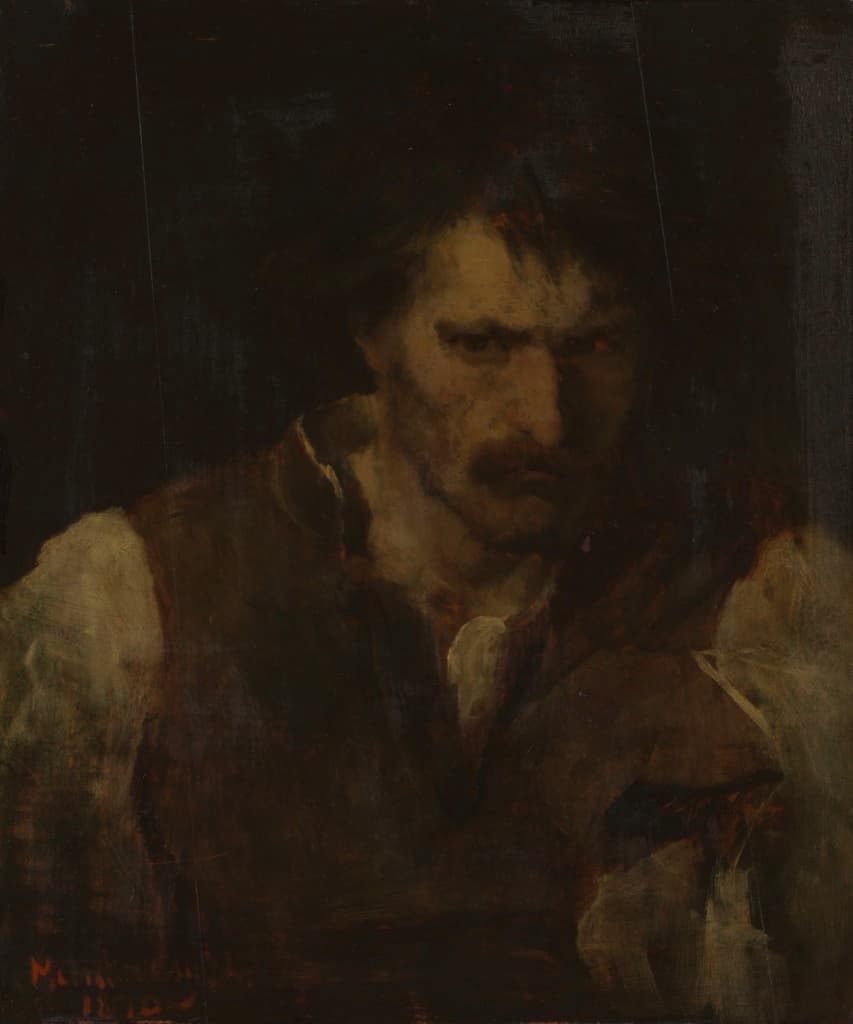
A condemned man (1870)
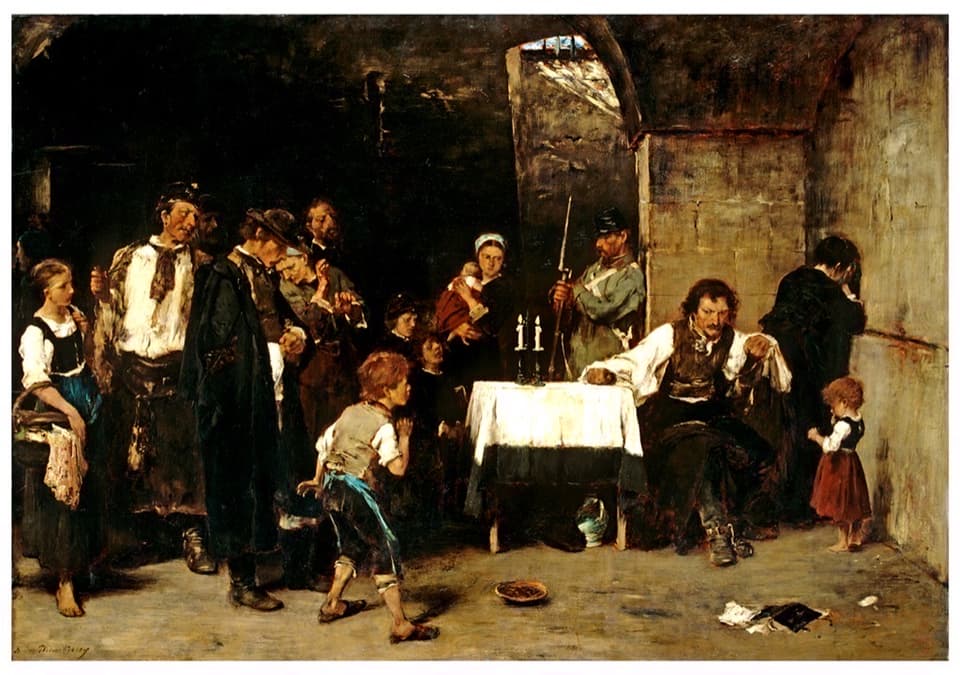
Condemned cell II (1878)
A condemned man (1870) & Condemned cell II (1878): These works are quintessential Munkácsy. He had a fascination with the psychological weight of suffering. If you see a scene of deep shadows where the light only catches the faces of somber, desperate people, look toward his early career in Düsseldorf or his early years in Paris.
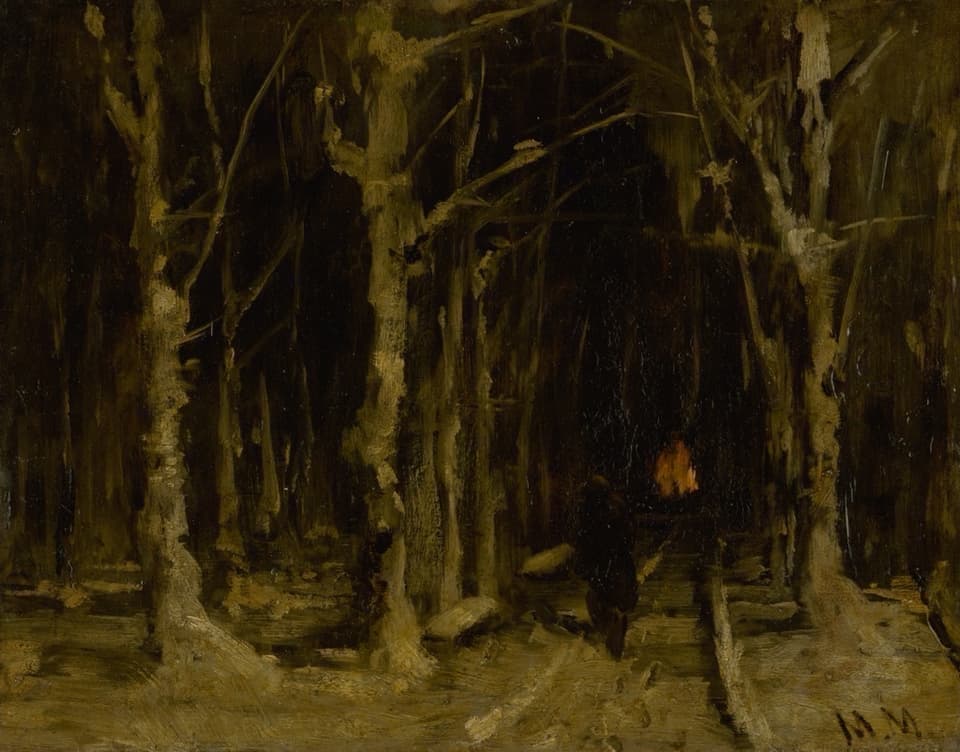
Alley in Düsseldorf (1867)
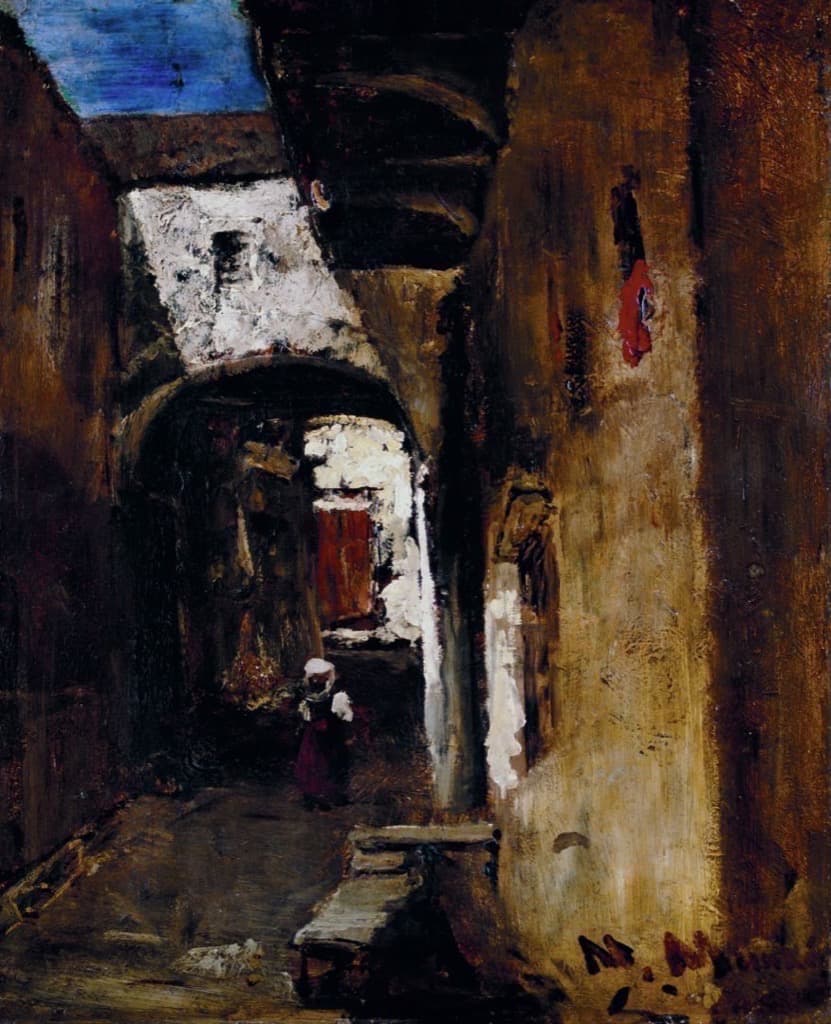
Dark Street (1871)
Alley in Düsseldorf (1867) & Dark Street (1871): Notice the architecture. If the streets look narrow, slightly grim, and damp, you are likely in Germany. These landscapes lack the bright "sparkle" of French Impressionism, opting instead for a gritty, realistic "dusk" feel.
The Parisian Heights: Salons and Society
When Munkácsy moved to Paris, his life—and his art—transformed. He became a socialite, and his paintings began to reflect the elegance of the Belle Époque, though he never lost his trademark dramatic lighting.
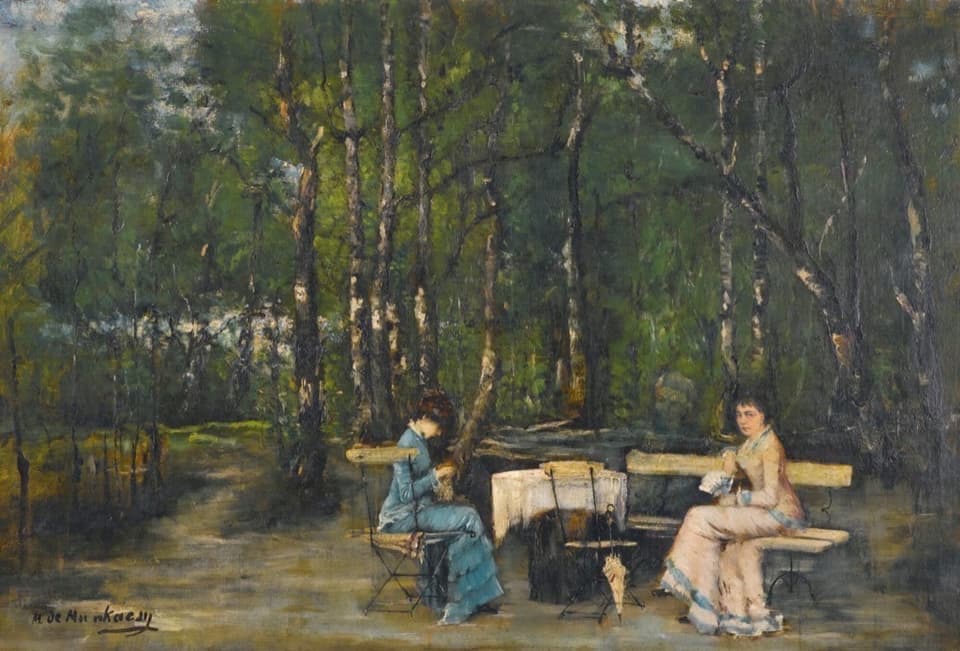
An afternoon in the park (1880)
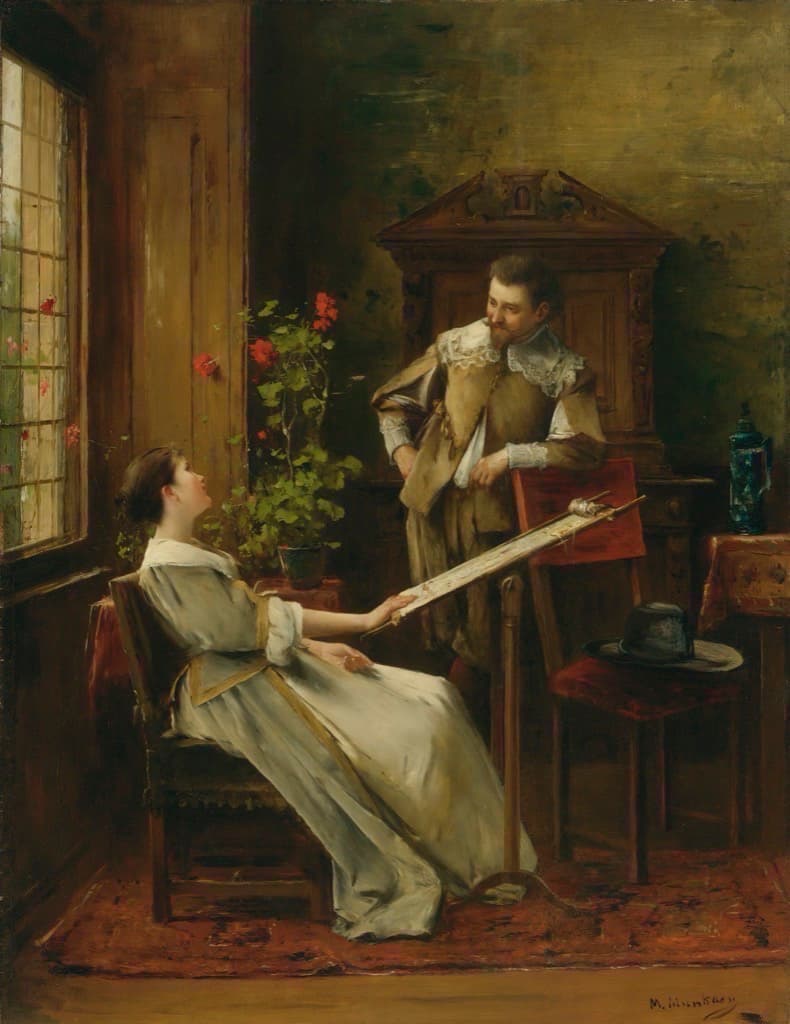
Flirt (1888)
An afternoon in the park (1880) & Flirt (1888): These are "Salon paintings." The subjects are wealthy, the clothing is intricate, and the settings are lush. However, unlike other Parisian painters of the time, Munkácsy’s parks and parlors still feel "heavy." The colors are more saturated, and the shadows remain deep.
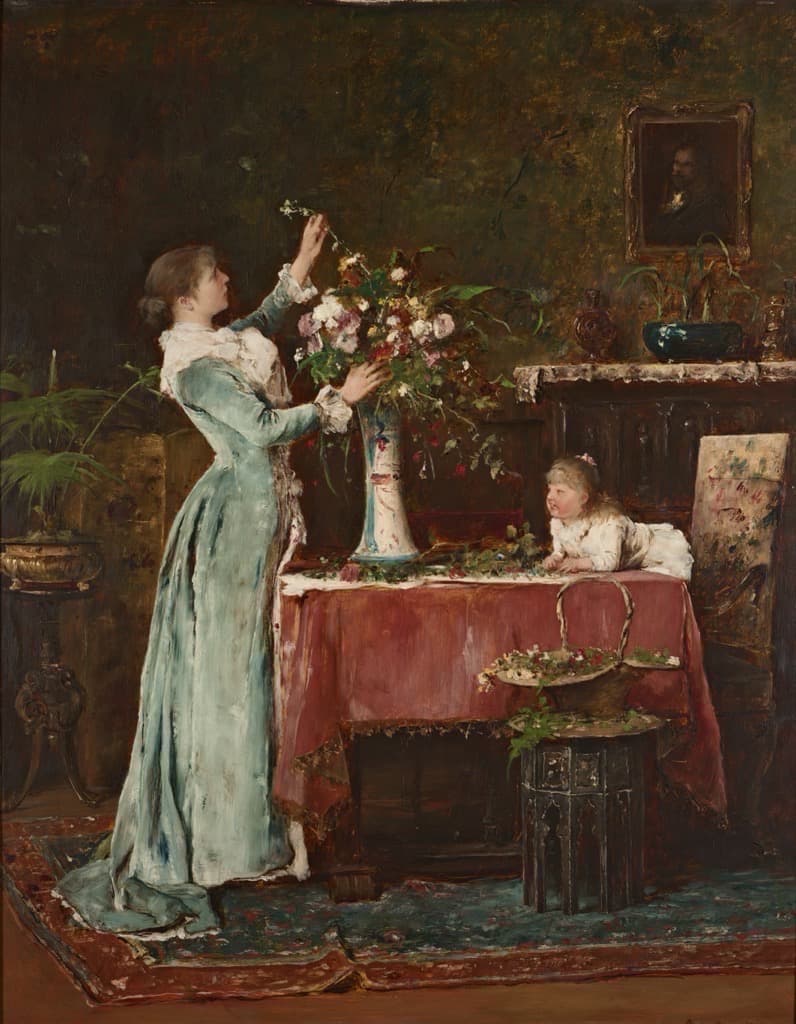
Flowers in a Vase (1881)
Flowers in a Vase (1881): Even a simple still life in Munkácsy’s hands feels theatrical. The dark background makes the petals pop with an almost three-dimensional intensity.
ArtGuess.io Tip:
If the scene looks like a high-society Parisian gathering but the shadows are much darker than a typical Monet or Renoir, you are likely looking at Munkácsy’s Paris period.
The Epic Trilogies: Religious Grandeur
Perhaps the most famous works you will encounter in the game are Munkácsy’s massive biblical scenes. These were international sensations, touring Europe and the United States to massive crowds.
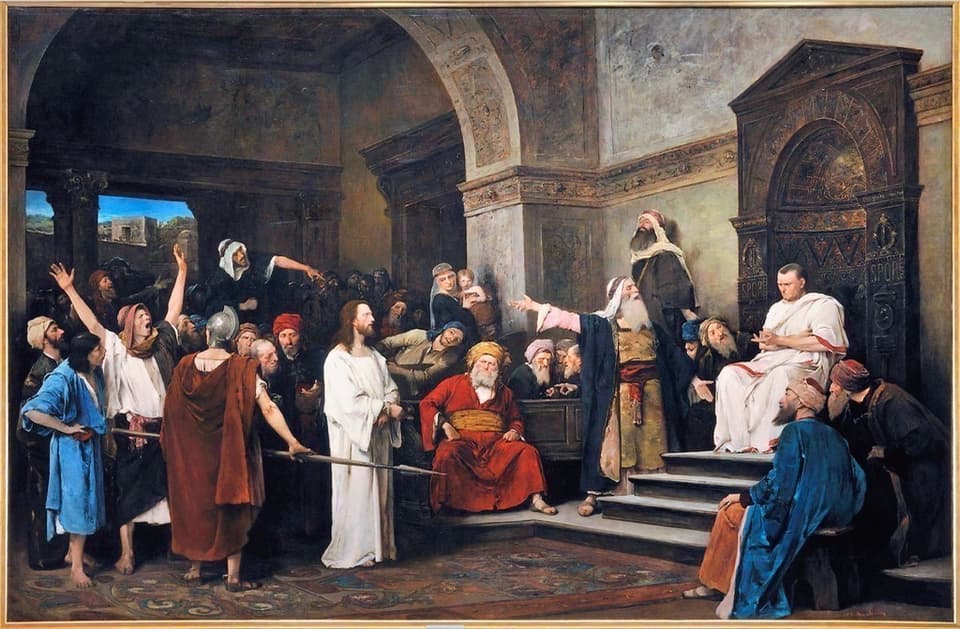
Christ before Pilate (1881)
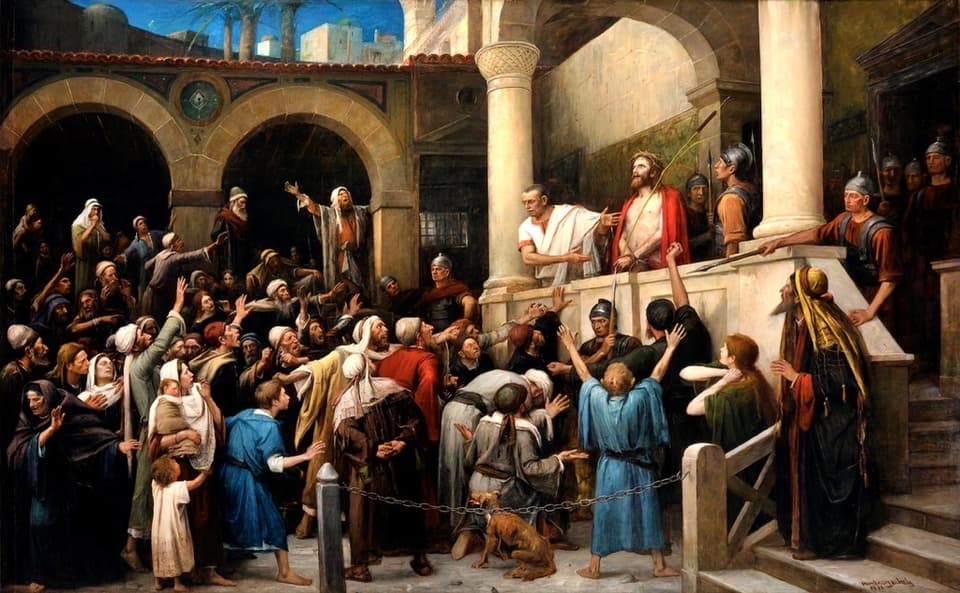
Ecce Homo (1881)
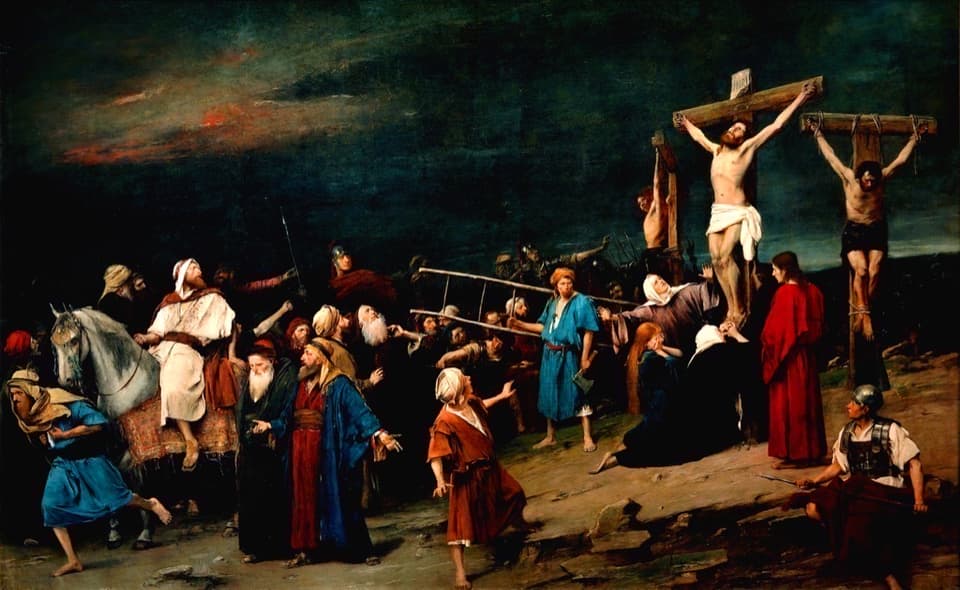
Golgotha (1884)
Christ before Pilate (1881), Ecce Homo (1881), and Golgotha (1884): These are the "powerhouse" clues.
- Visual Cue: Look for massive crowds where every single face has a unique, realistic expression.
- The Lighting: Munkácsy uses light like a spotlight on a stage, usually highlighting the figure of Christ against a turbulent, dark sky or a somber stone courtyard.
- Location: While the scenes are biblical, these were all painted in Paris, France.
Landscapes and the "Dusty Road"
Munkácsy had a unique way of capturing the weather and the earth. He didn't just paint a view; he painted the atmosphere.
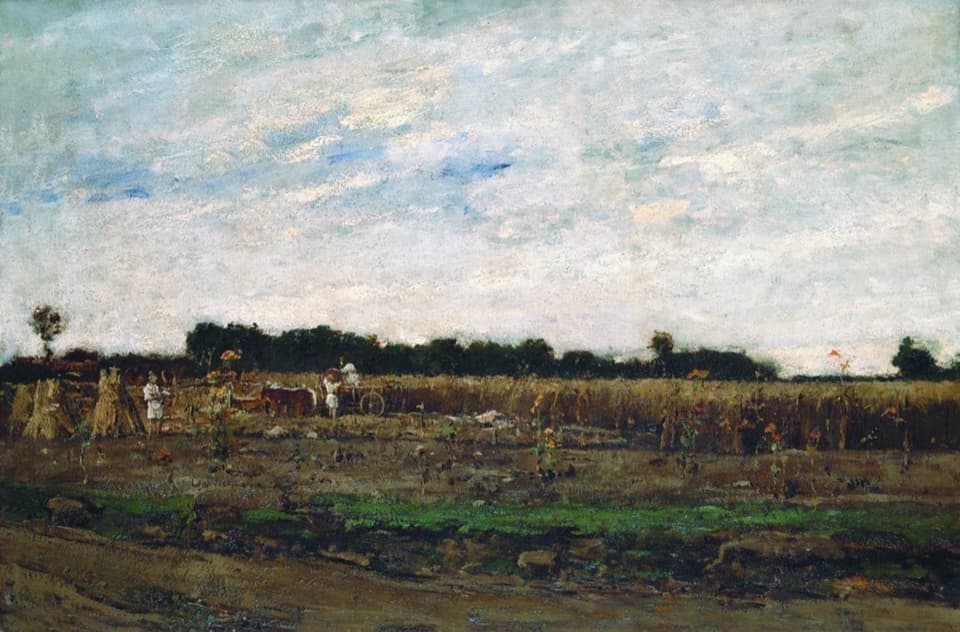
Corn Field (1874)
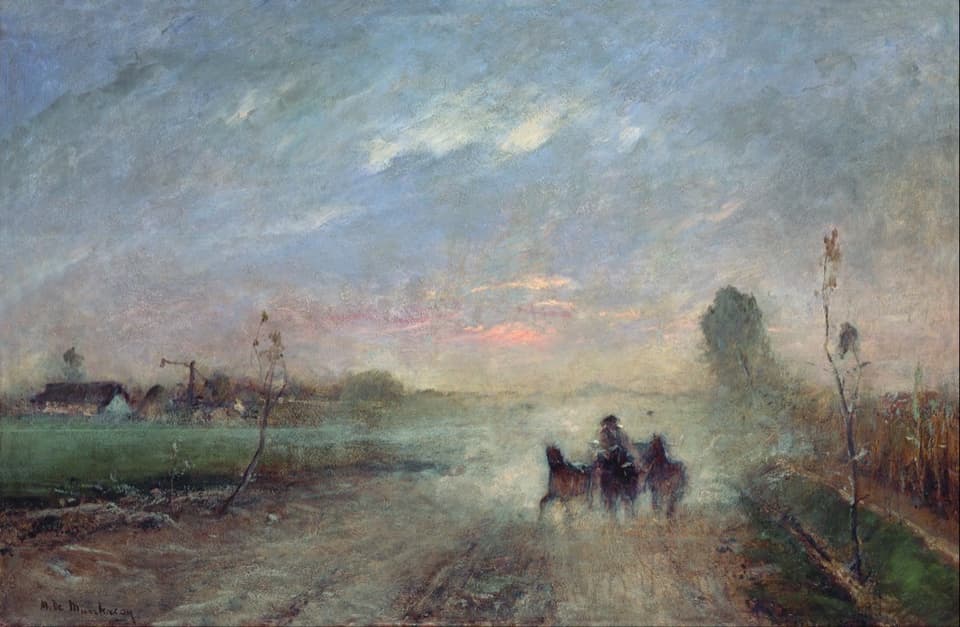
Dusty Road II (1884)
Corn Field (1874) & Dusty Road II (1884): These landscapes are vital for ArtGuess.io. Dusty Road II captures a sense of movement—you can almost feel the heat and the grit of the air. If you see a landscape that feels "windy" or "dusty" with a low horizon line and a very dramatic, cloudy sky, it’s a hallmark of his mid-career work in Paris.
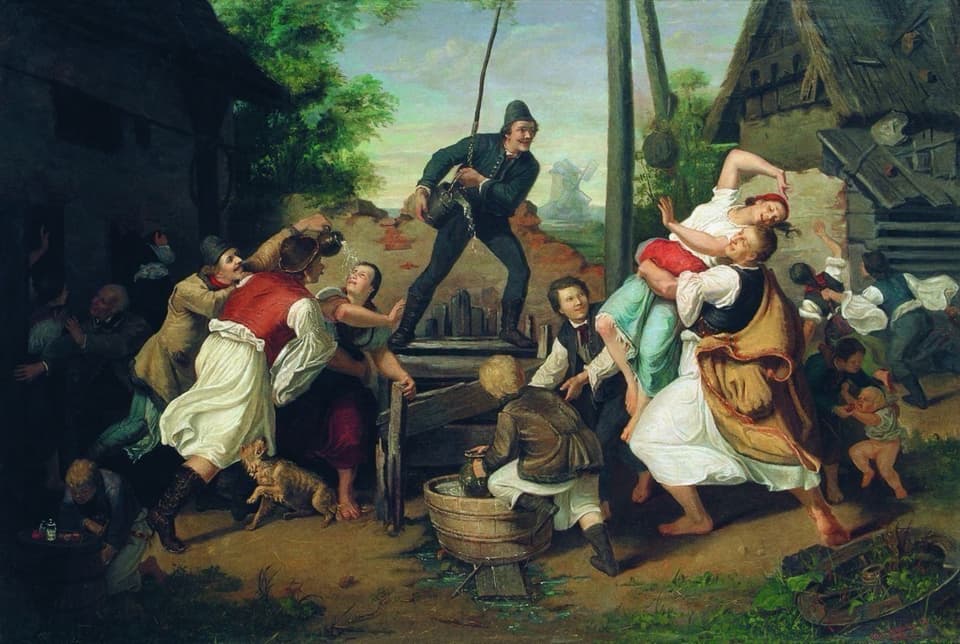
Easter Sprinkling (1865)
Easter Sprinkling (1865): This is a rare early gem. If you see a scene of folk traditions (like boys splashing water on girls), this is a specific Hungarian custom. This points you directly to Budapest, Hungary.
How to "Geo-Guess" a Munkácsy
To master Munkácsy in your next round, ask yourself these three questions:
- Is the "Bitumen Brown" present? If the shadows are incredibly deep and the painting has a dark, brownish "crusty" texture, you’re looking at his realism (Düsseldorf/Early Paris).
- Is it a "Stage Set"? Does the painting look like a scene from a play, with high-contrast lighting and emotional characters? That’s his signature.
- The Subject Matter:
- Peasants/Prisoners = Early career (Düsseldorf).
- Elegant Ladies/Parks = Mid career (Paris).
- Epic Biblical Crowds = Late career (Paris).
Munkácsy’s work is a journey from the dark, quiet corners of human sorrow to the glittering, crowded halls of Parisian fame. By recognizing his "theatrical realism," you'll be able to pin his location with pinpoint accuracy.
Ready to find the light in the dark?
Play ArtGuess.io Now