ArtGuess.io
Artist Guide
Mihály Munkácsy
1844–1900 • Hungary • 21 paintings in ArtGuess.io
The Hungarian realist who rose from carpenter’s apprentice to celebrity of the Paris art world, famous for dark, theatrical canvases.
Mihály Munkácsy was one of the most famous painters in Europe in the 1880s. His enormous religious canvases toured Europe and America, drawing crowds that paid admission to see them. For ArtGuess.io players he is a useful artist to know, because his career splits neatly between three cities.
Life and Places
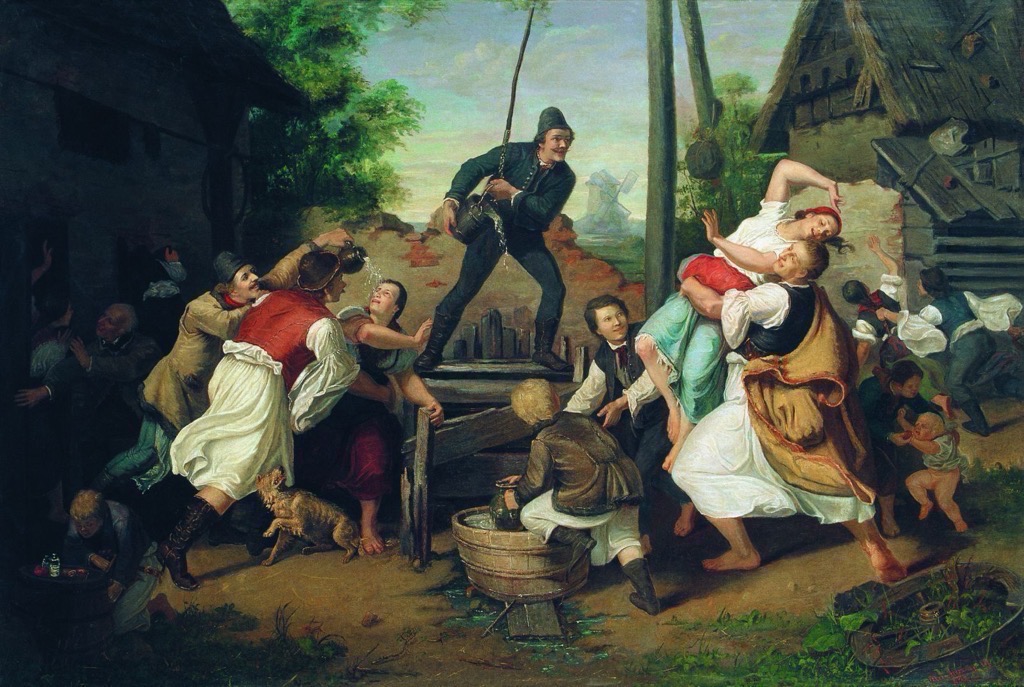
He was born Mihály Lieb in 1844 in Munkács, then in the Kingdom of Hungary and today Mukachevo in Ukraine, and later took the name of his hometown. Orphaned young, he trained as a carpenter before studying painting in Budapest, Vienna and Munich. Early Hungarian genre scenes such as Easter Sprinkling (1865) show his interest in village life.
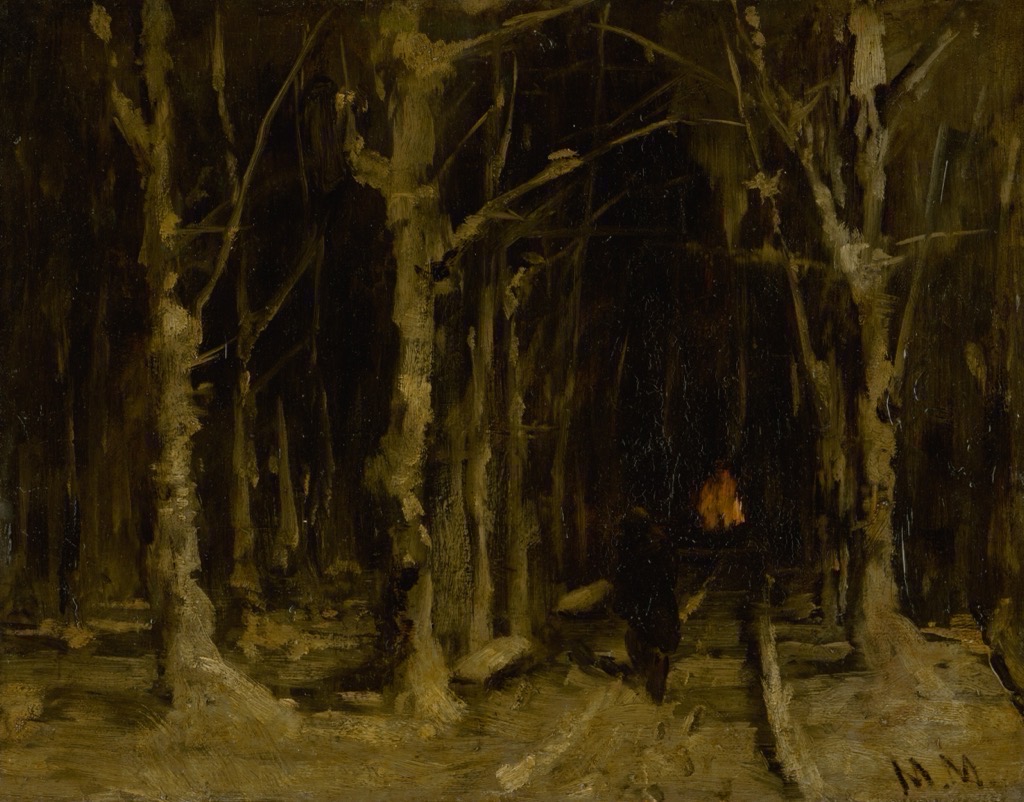
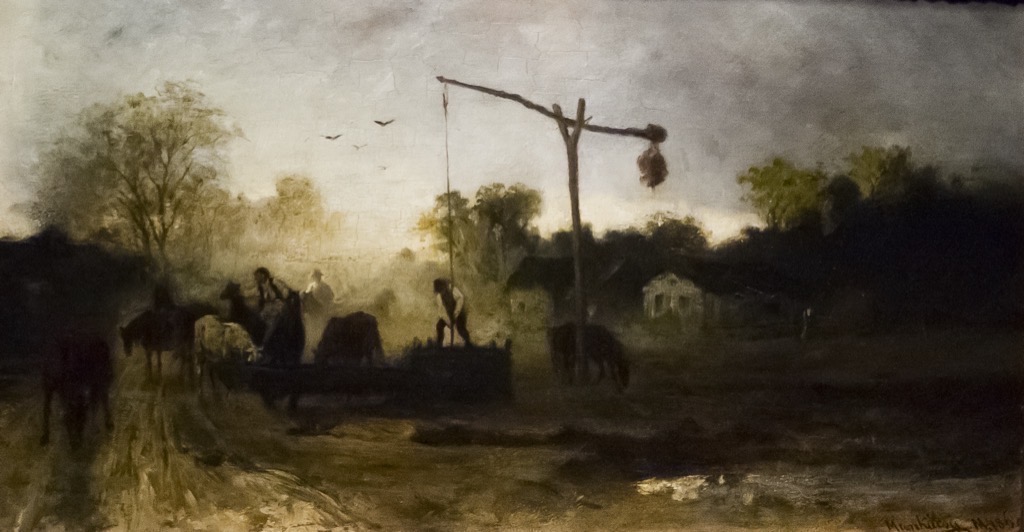
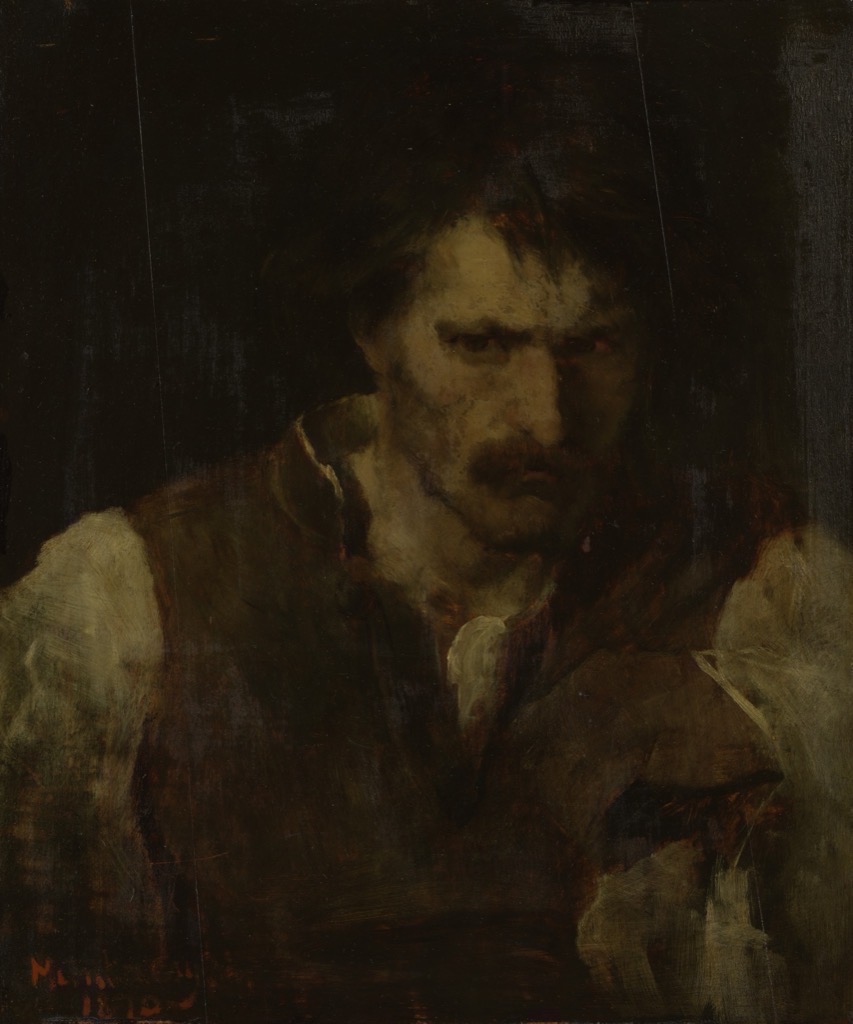
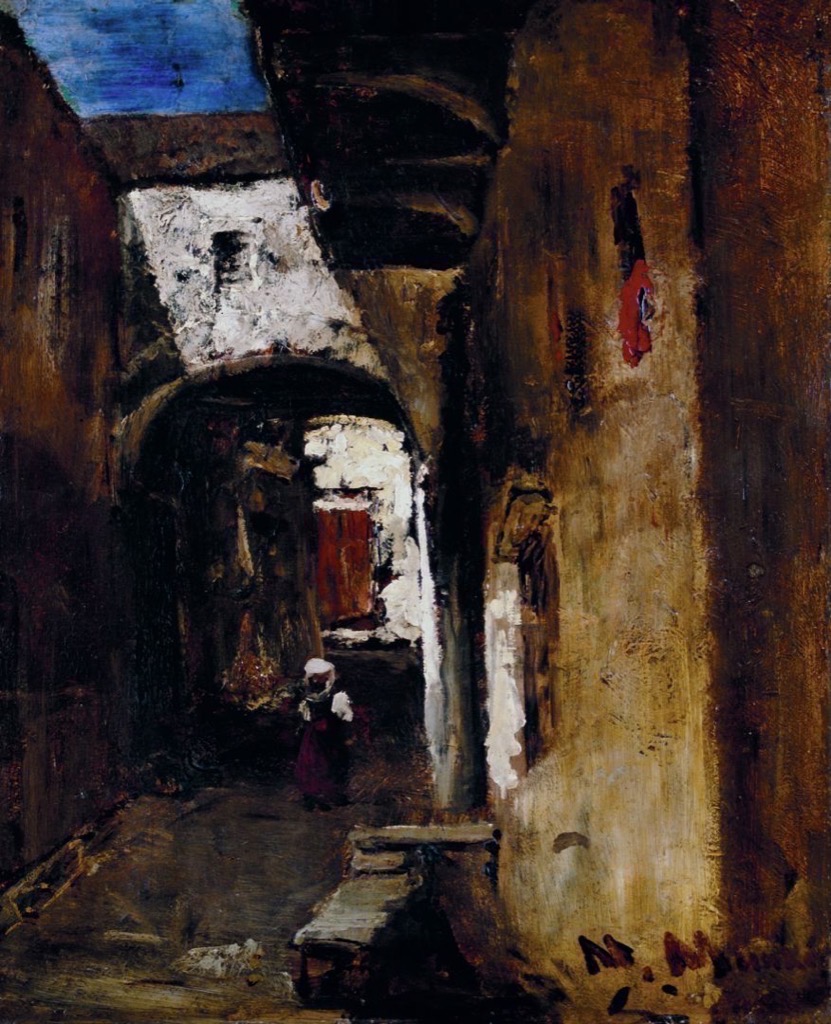
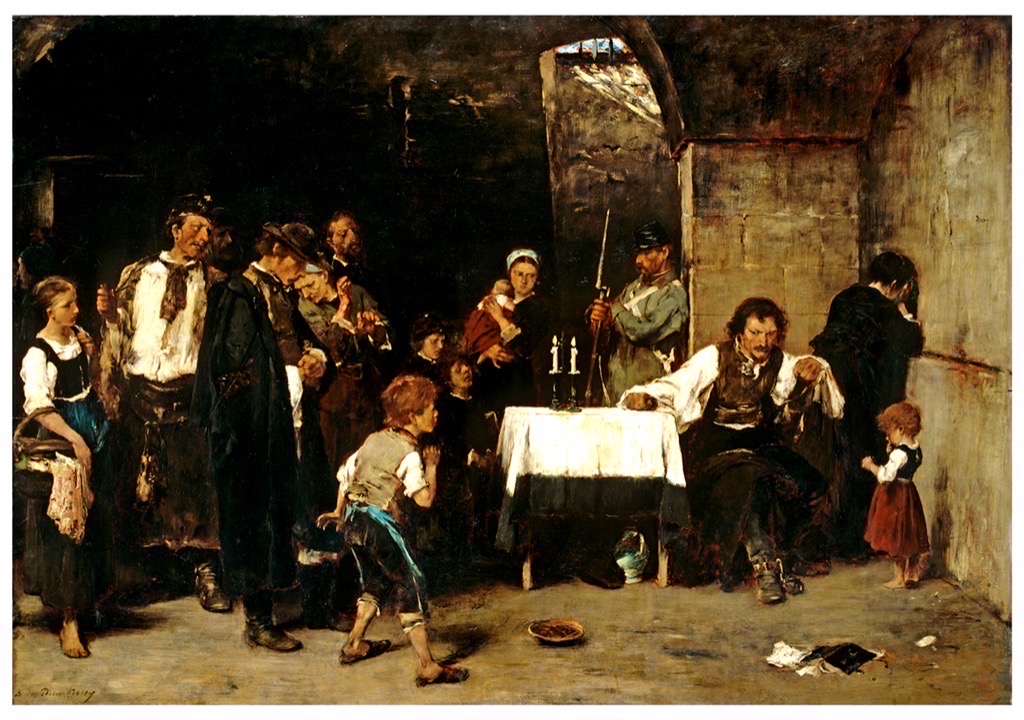
The decisive step came in Düsseldorf in the late 1860s, where he developed a sombre realism built on deep browns and bitumen-dark shadows. Works like At the Watering Trough (1869), A Condemned Man (1870) and Dark Street (1871) belong to this period, and The Condemned Cell won a gold medal at the Paris Salon of 1870.
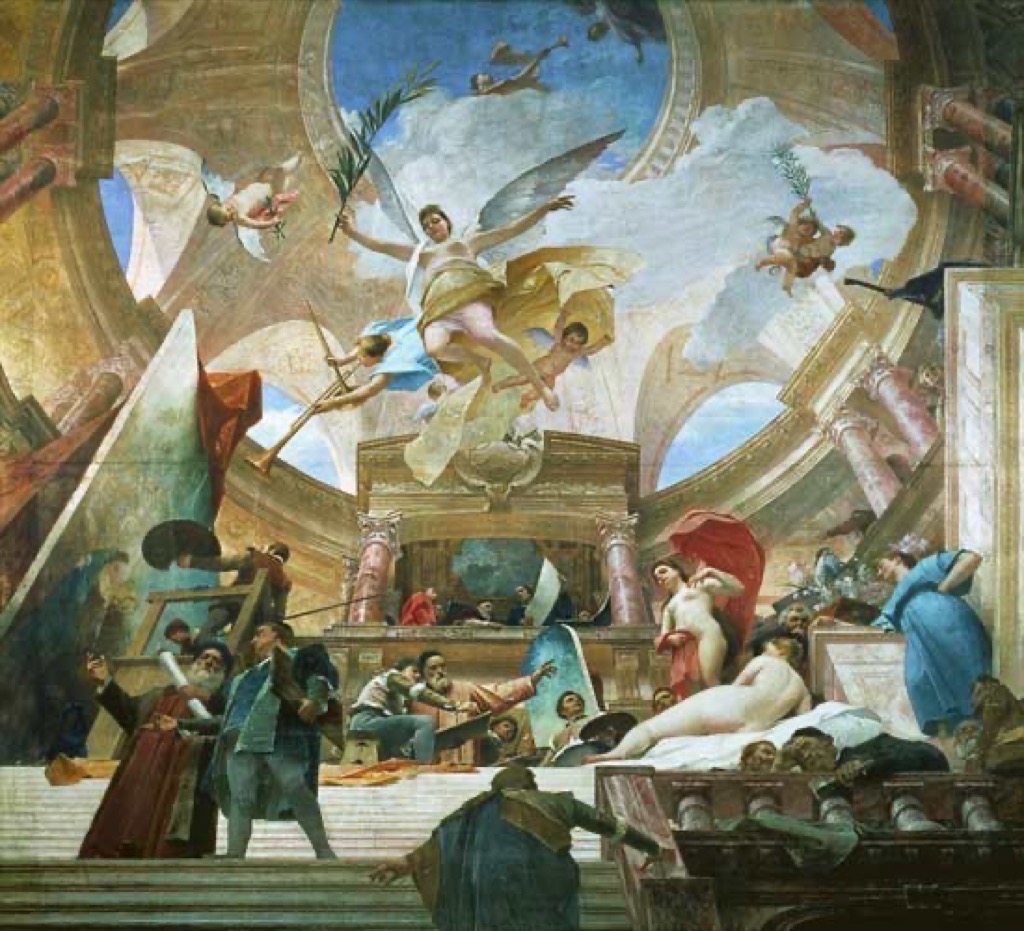
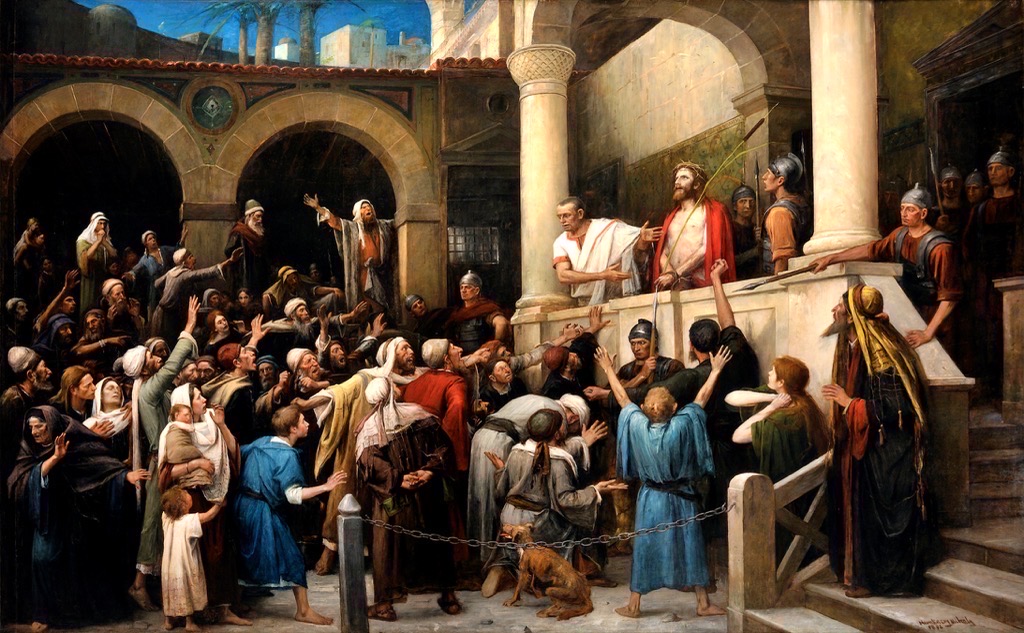
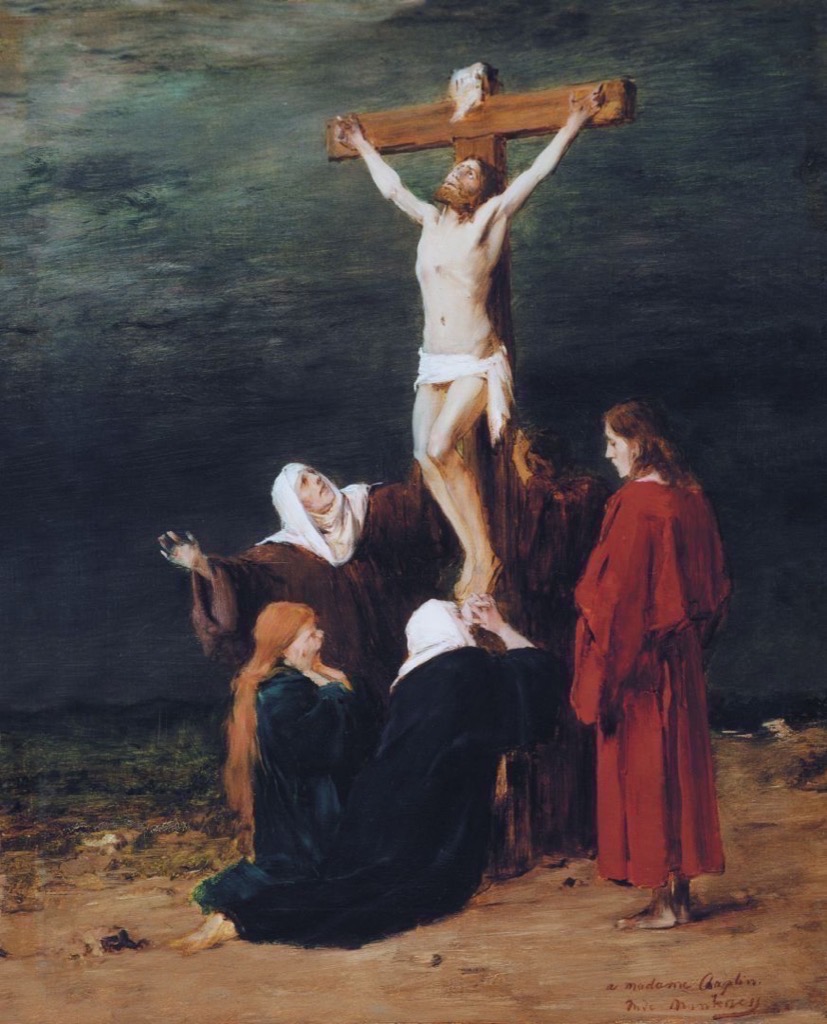
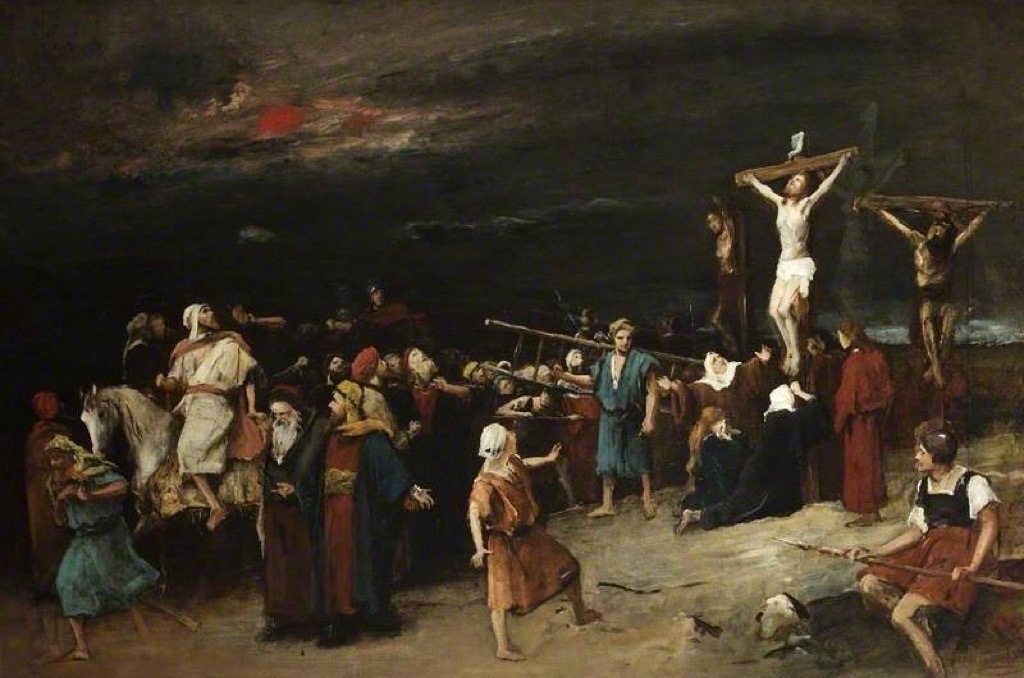
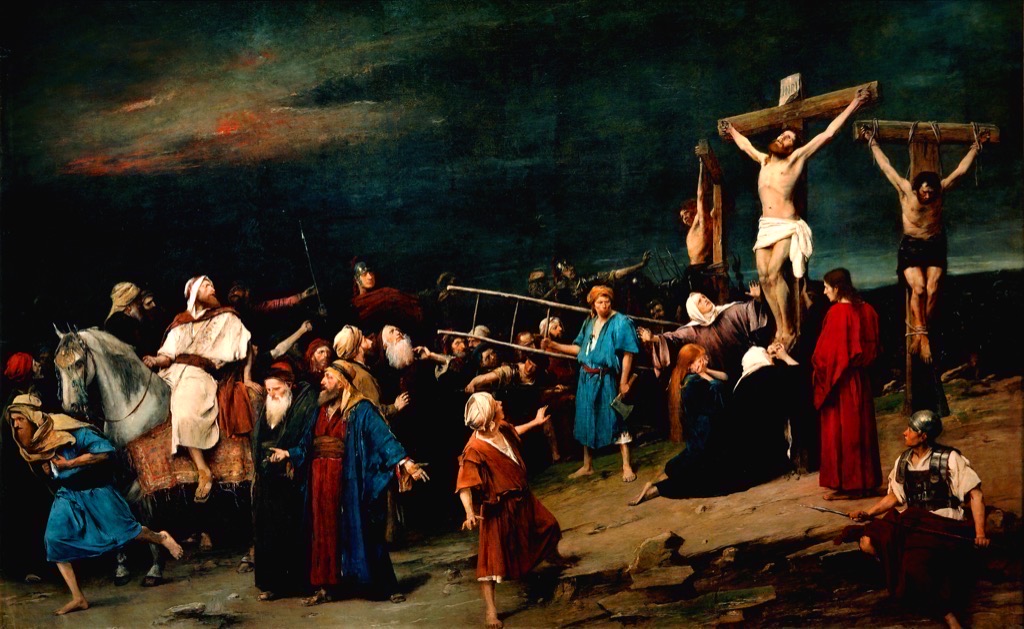
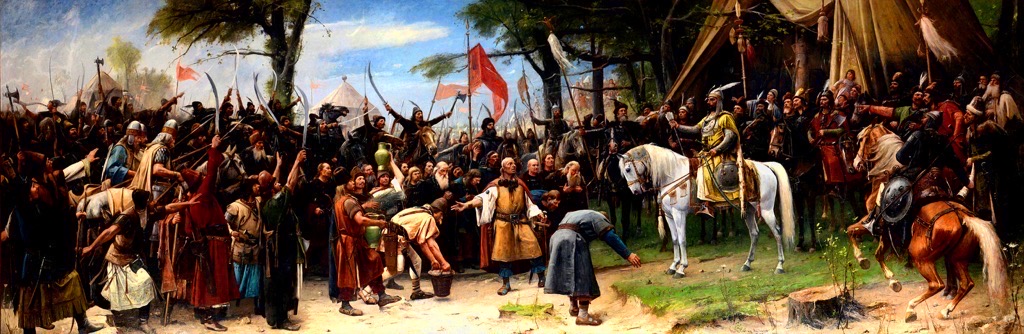
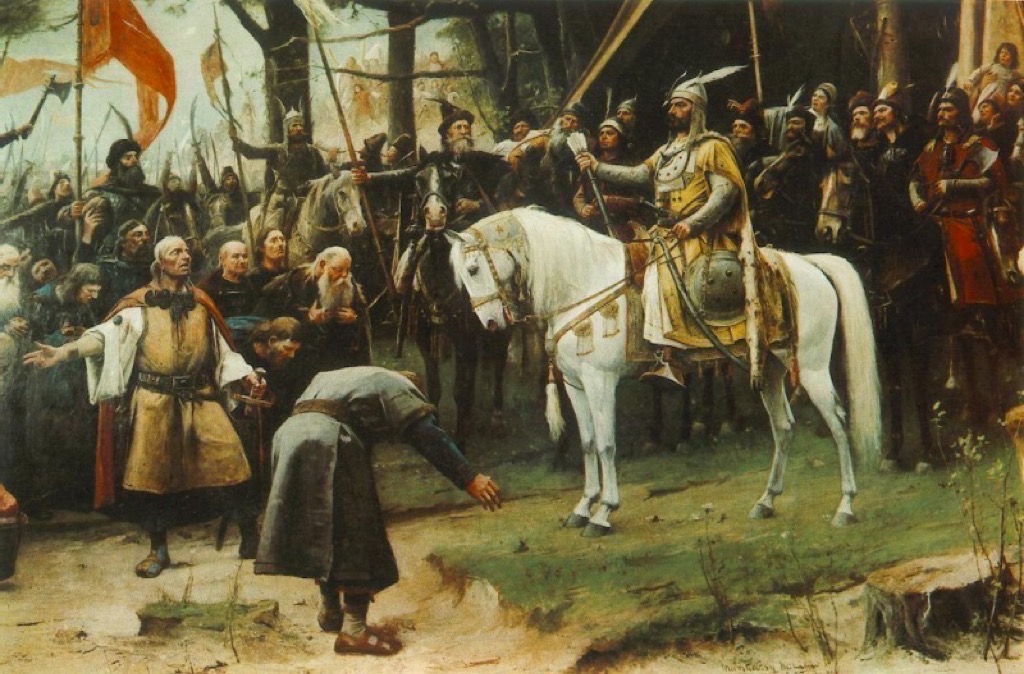
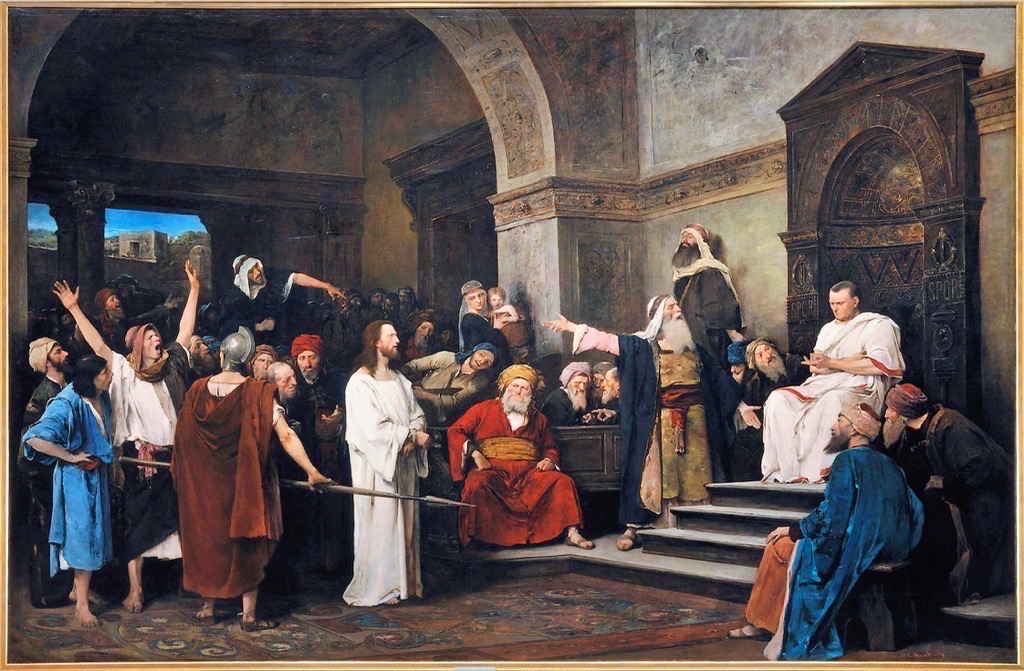
In 1871 he settled in Paris, where he lived for the rest of his career and ran a glittering salon. There he produced his famous Christ trilogy, beginning with Christ before Pilate (1881) and Golgotha (1884), as well as Conquest, the monumental scene of the Hungarian settlement of the Carpathian Basin painted for the Hungarian Parliament. Ill health ended his career in the 1890s, and he died in 1900 in a sanatorium near Bonn.
How to Recognize Mihály Munkácsy
- Chiaroscuro realism: Strong spotlights against deep brown darkness, with figures emerging from shadow.
- Theatrical staging: Large casts arranged like actors on a stage, each reacting to a single dramatic moment.
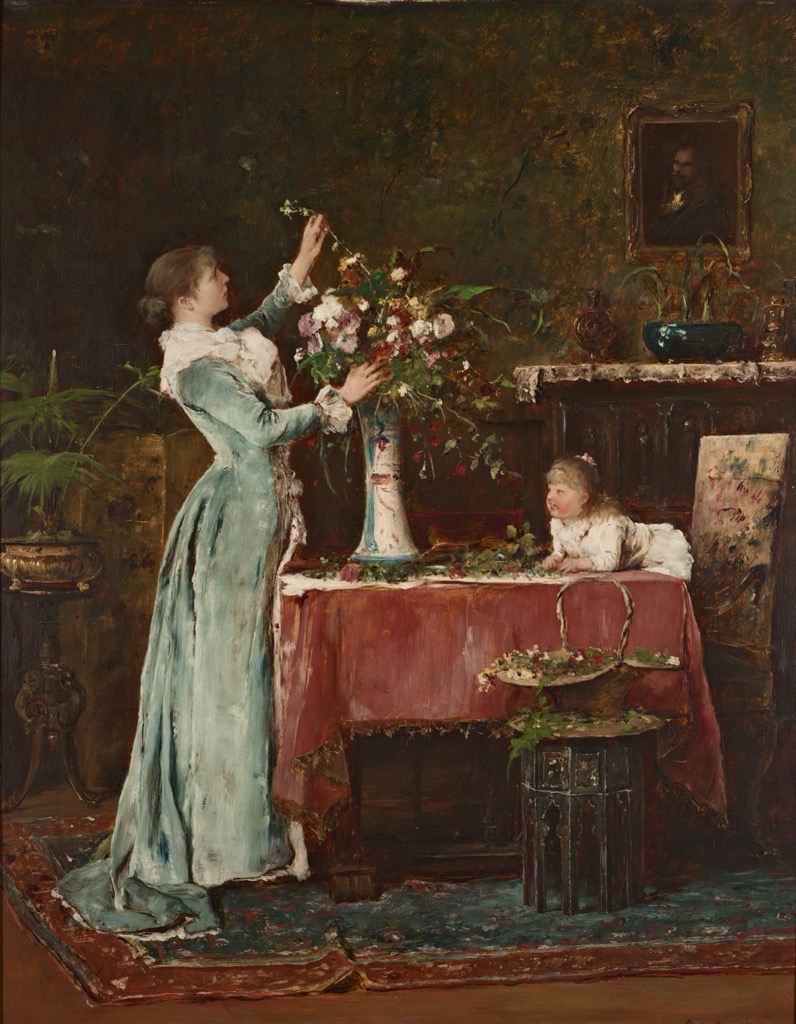
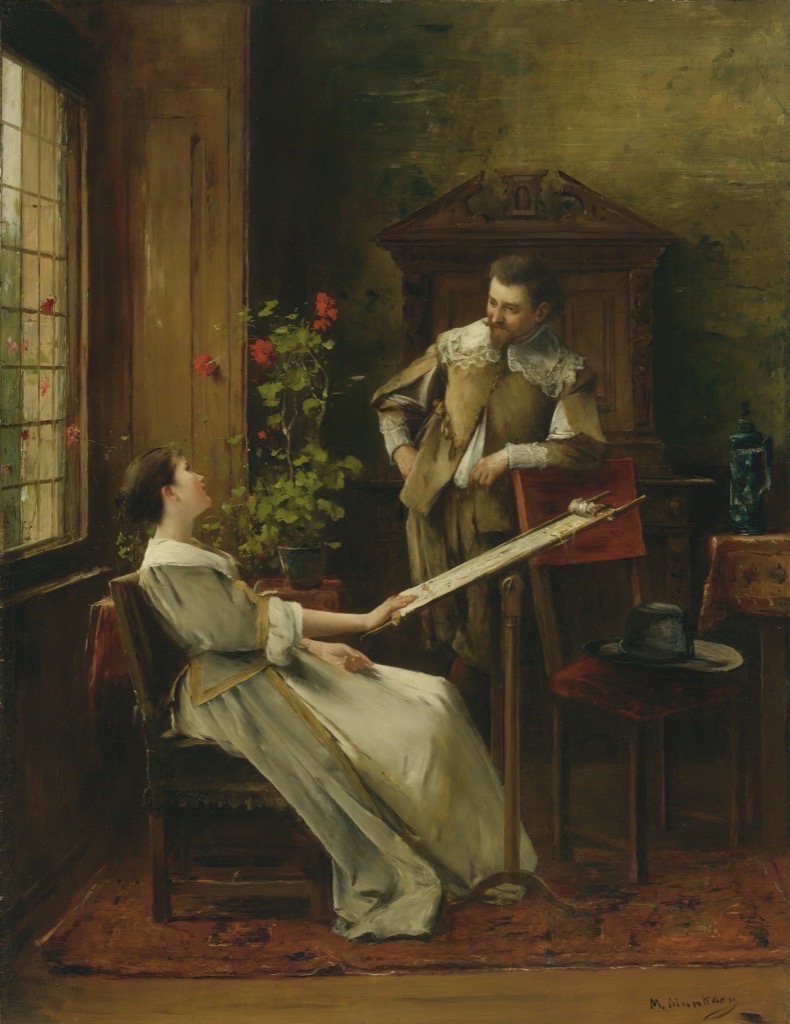
- Düsseldorf vs. Paris: Gritty rural poverty and prisons point to Düsseldorf; elegant interiors, salons and huge biblical canvases point to Paris.
Where Mihály Munkácsy Painted
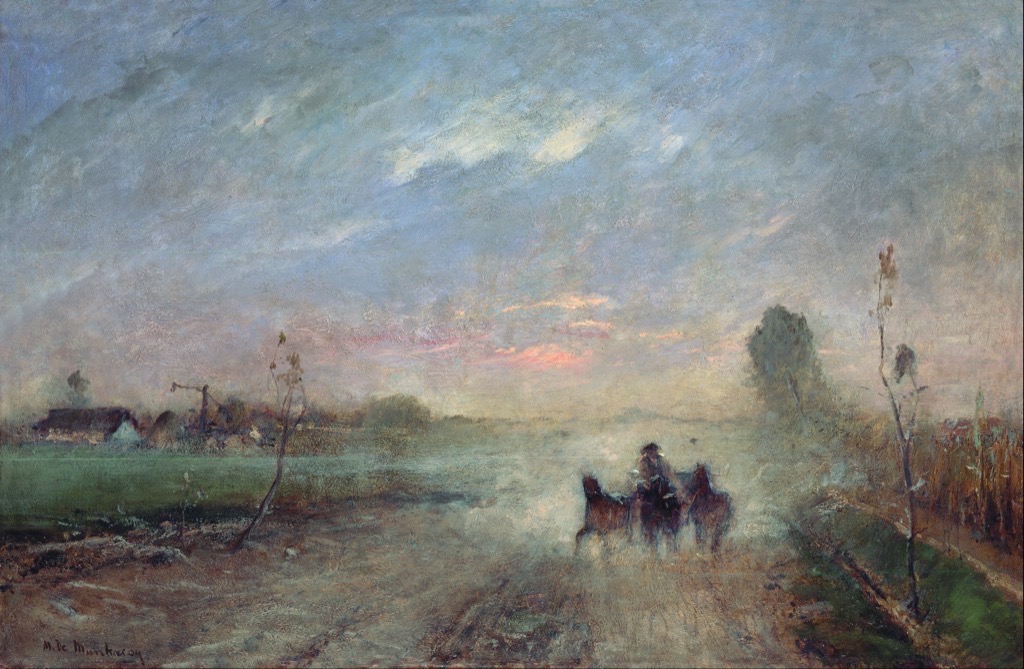
The 21 works by Mihály Munkácsy in the ArtGuess.io database were made in these places: