ArtGuess.io
Artist Guide
Francisco Goya
1746–1828 • Spain • 21 paintings in ArtGuess.io
The Spanish painter who moved from sunny royal tapestry designs to the haunting Black Paintings, and recorded Madrid through war, revolution and illness.
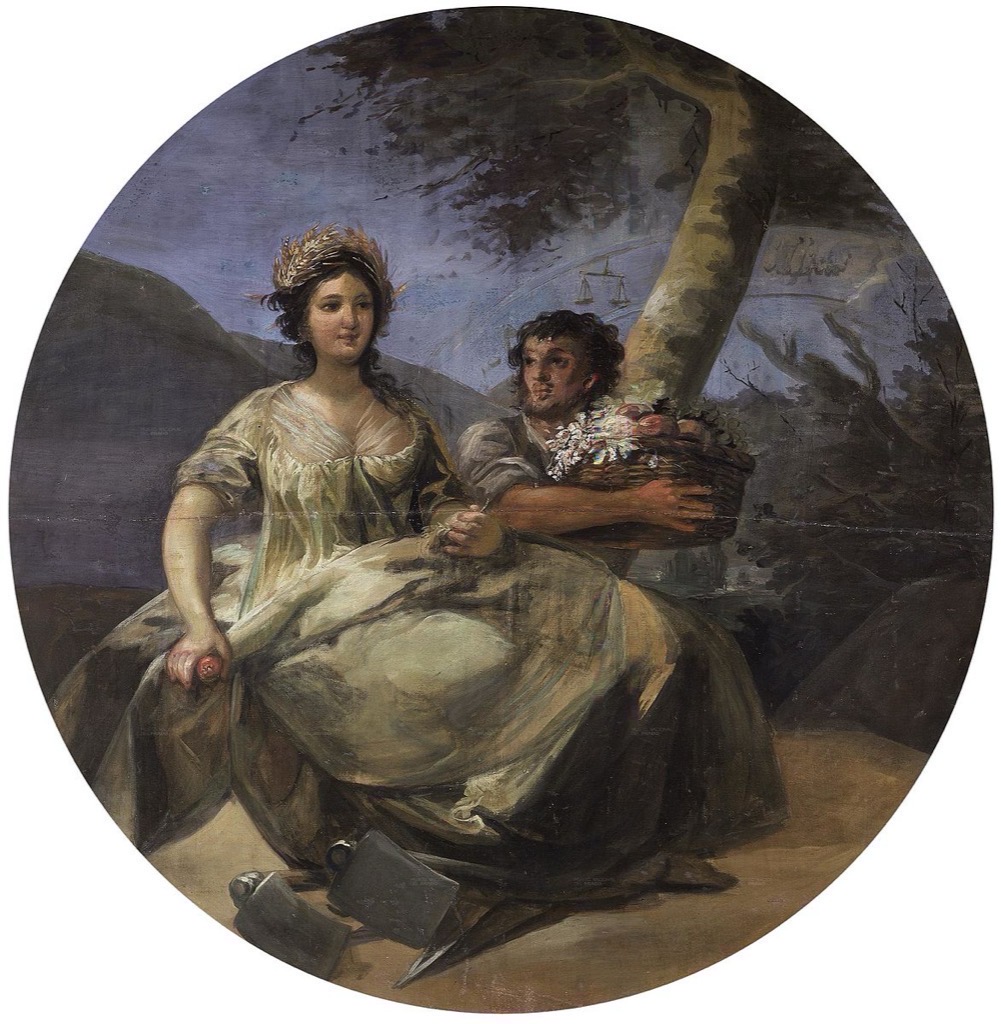
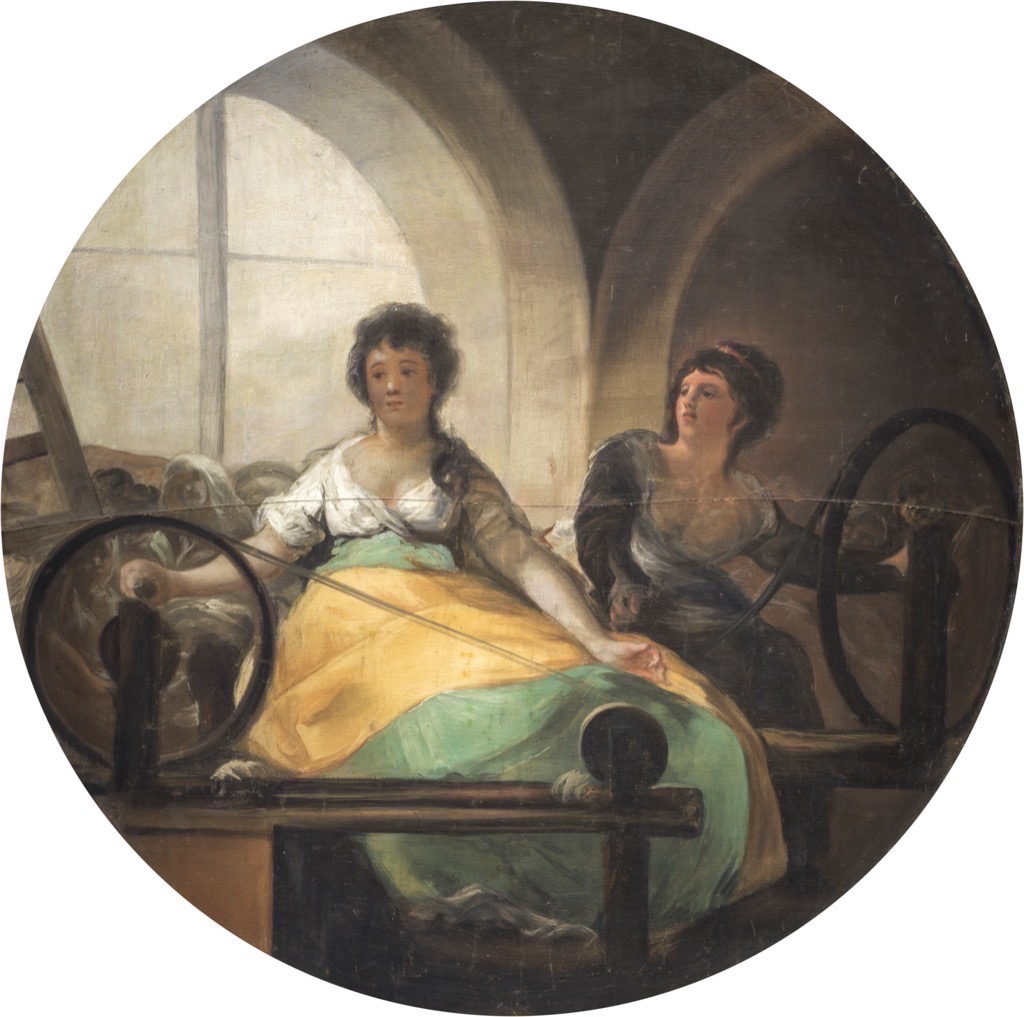
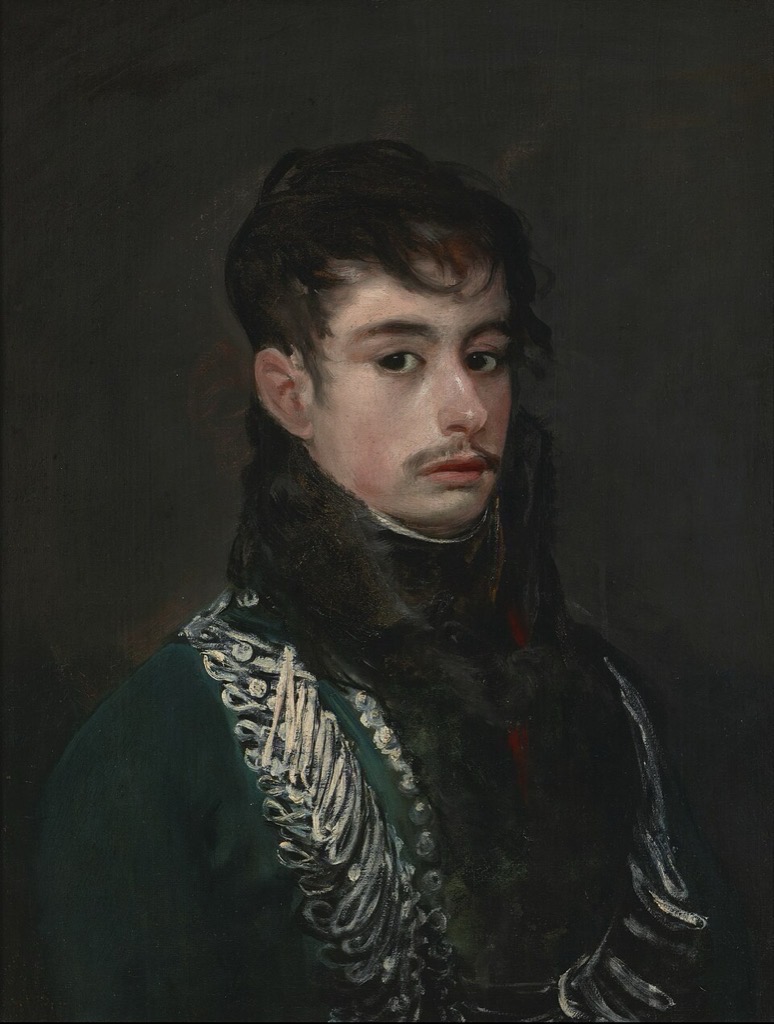
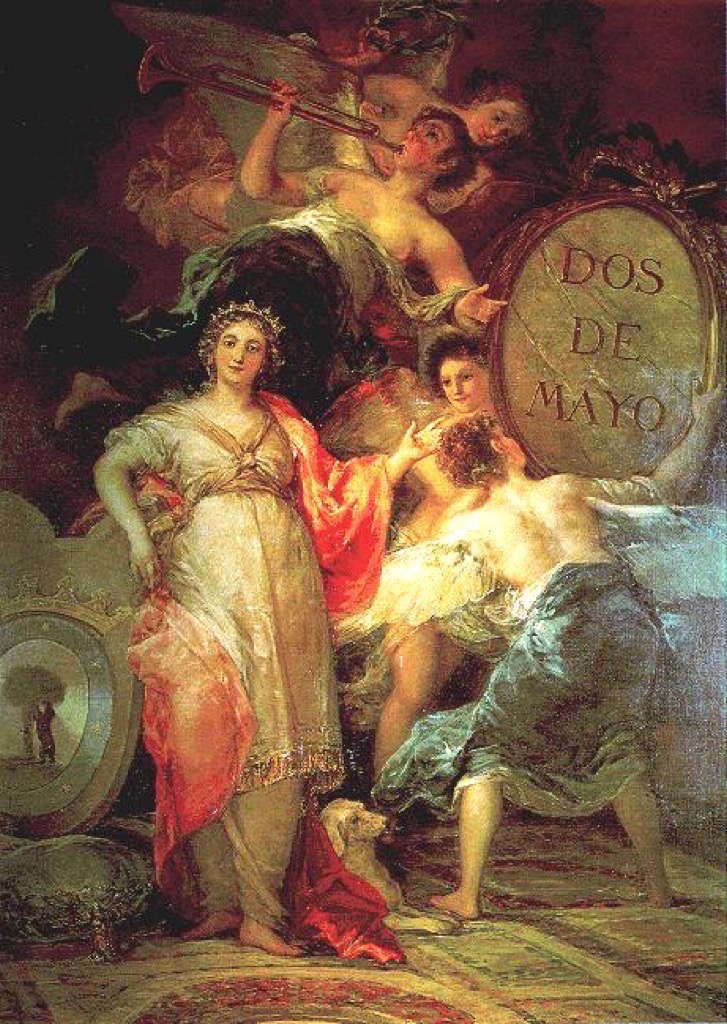
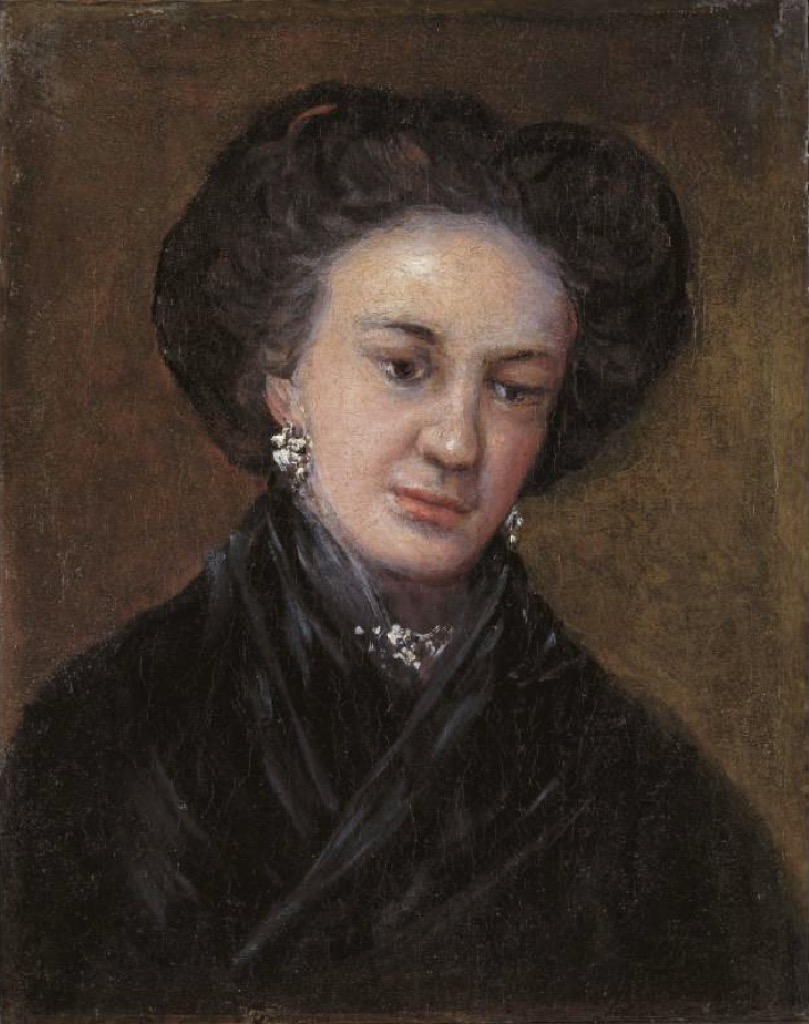
Francisco de Goya y Lucientes is often called both the last of the Old Masters and the first of the moderns. Over a career of more than sixty years he painted royal portraits, church frescoes, cheerful scenes of Madrid life and, finally, some of the darkest images in Western art. Almost all of it was made in and around Madrid, which makes him one of the most rewarding artists to learn for ArtGuess.io.
Life and Places
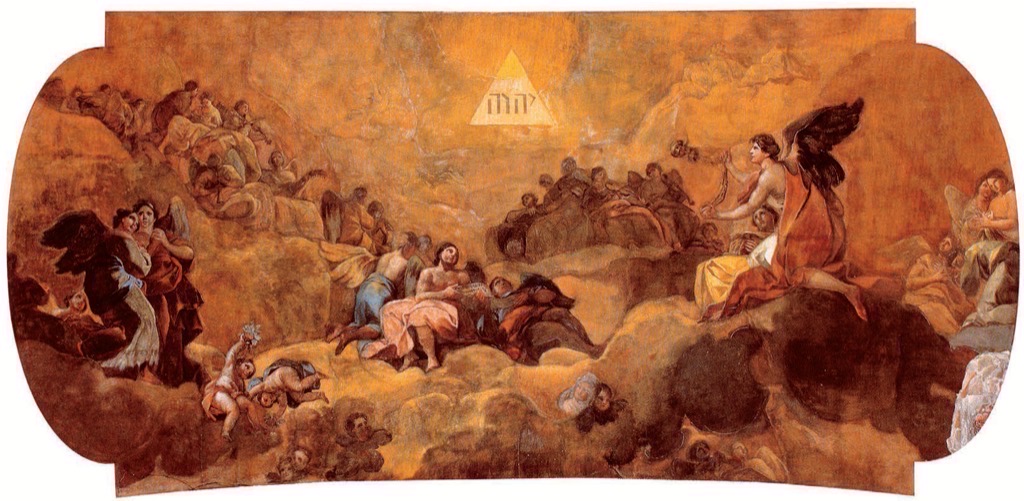
Goya was born in 1746 in the small Aragonese village of Fuendetodos and trained in nearby Zaragoza. His first major commission, the ceiling fresco Adoration of the Name of God (1772), was painted for the Basilica of Our Lady of the Pillar in Zaragoza, and it is the only work in our collection placed outside Madrid.
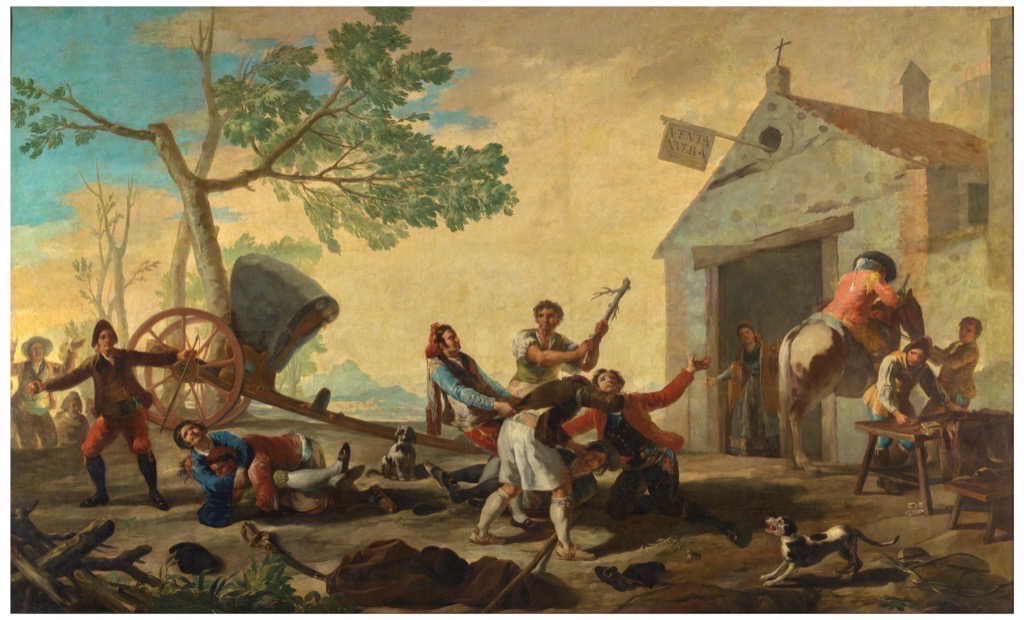
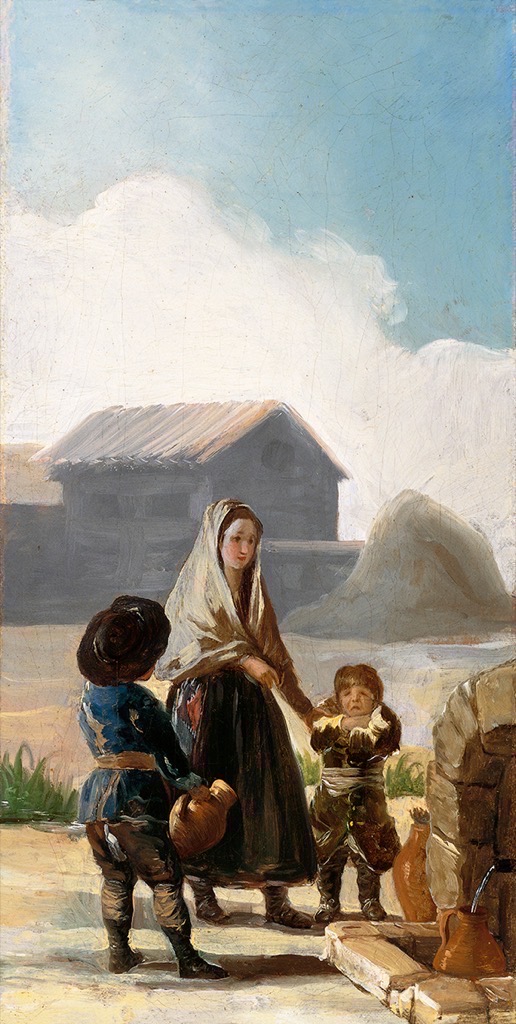
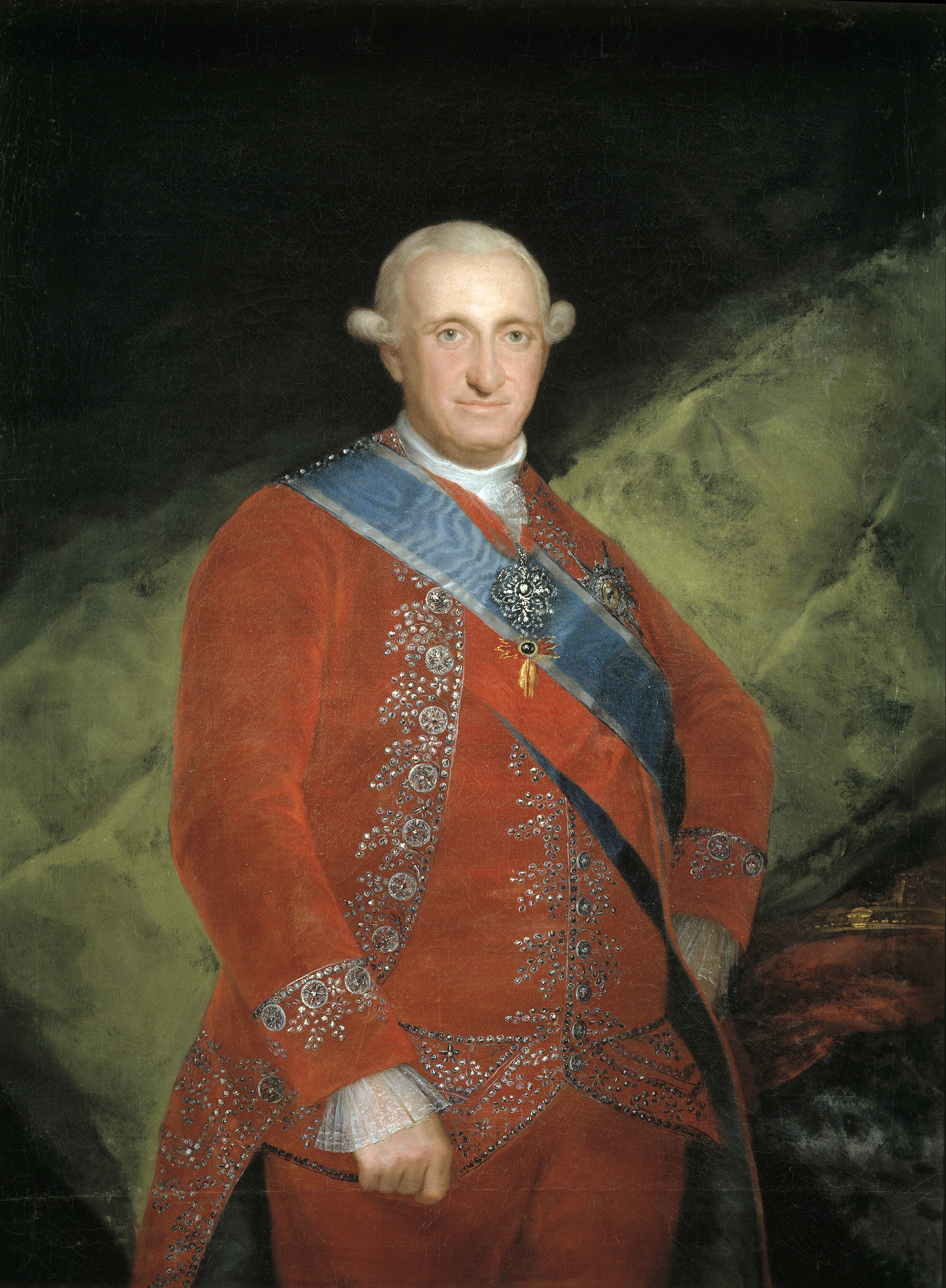
In 1775 he moved to Madrid to design tapestry cartoons for the Royal Tapestry Factory: bright, outdoor scenes of picnics, fairs and street fights such as A Fight at the Venta Nueva (1777). His rise was rapid. He became painter to the king in 1786 and First Court Painter in 1799, producing portraits of Charles IV and the Spanish nobility.
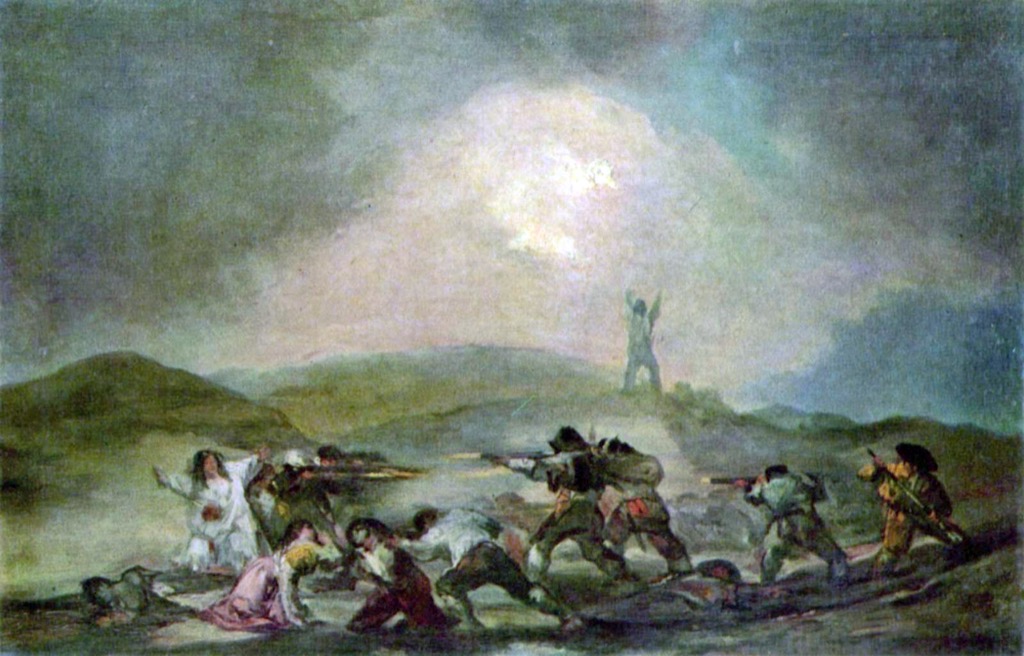
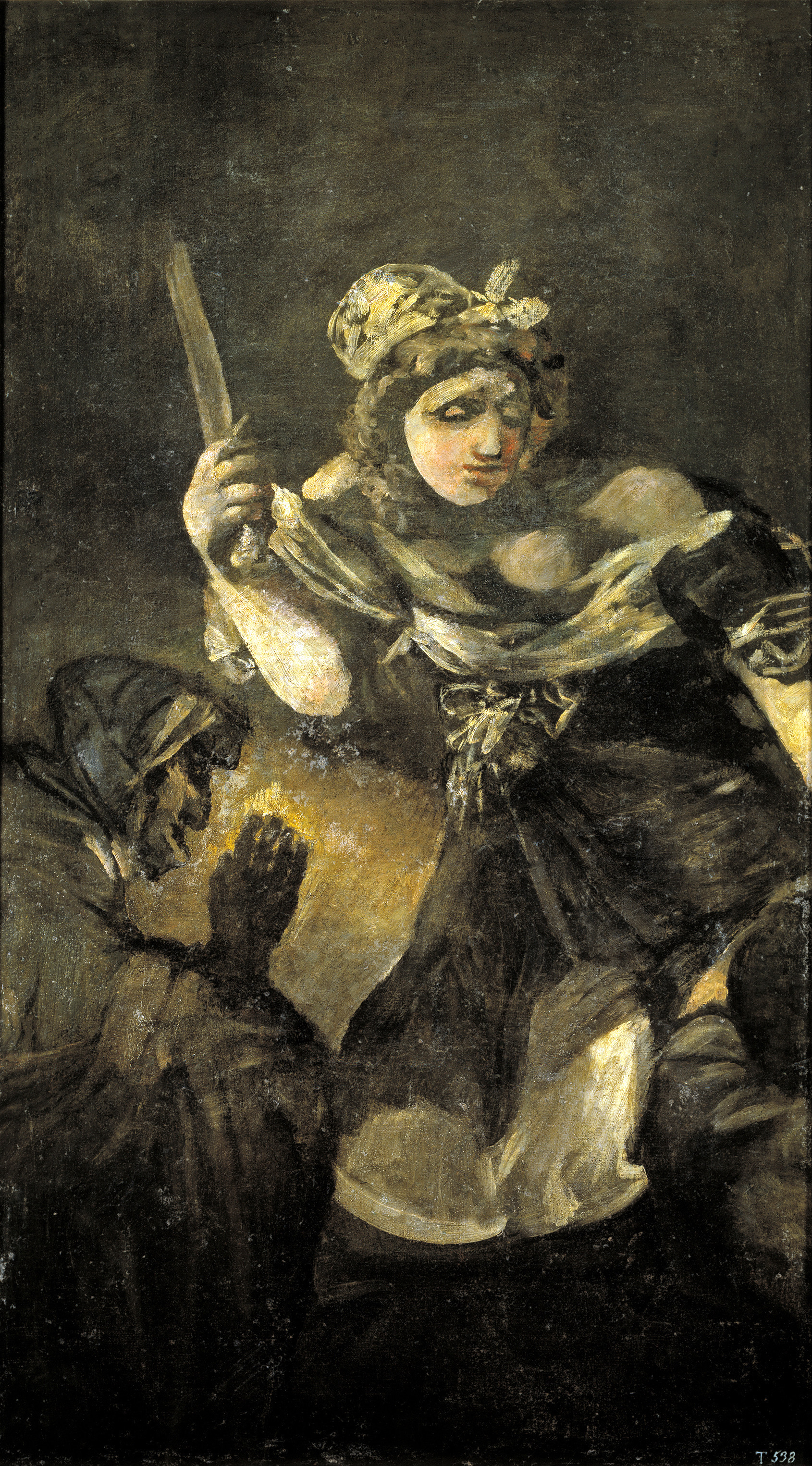
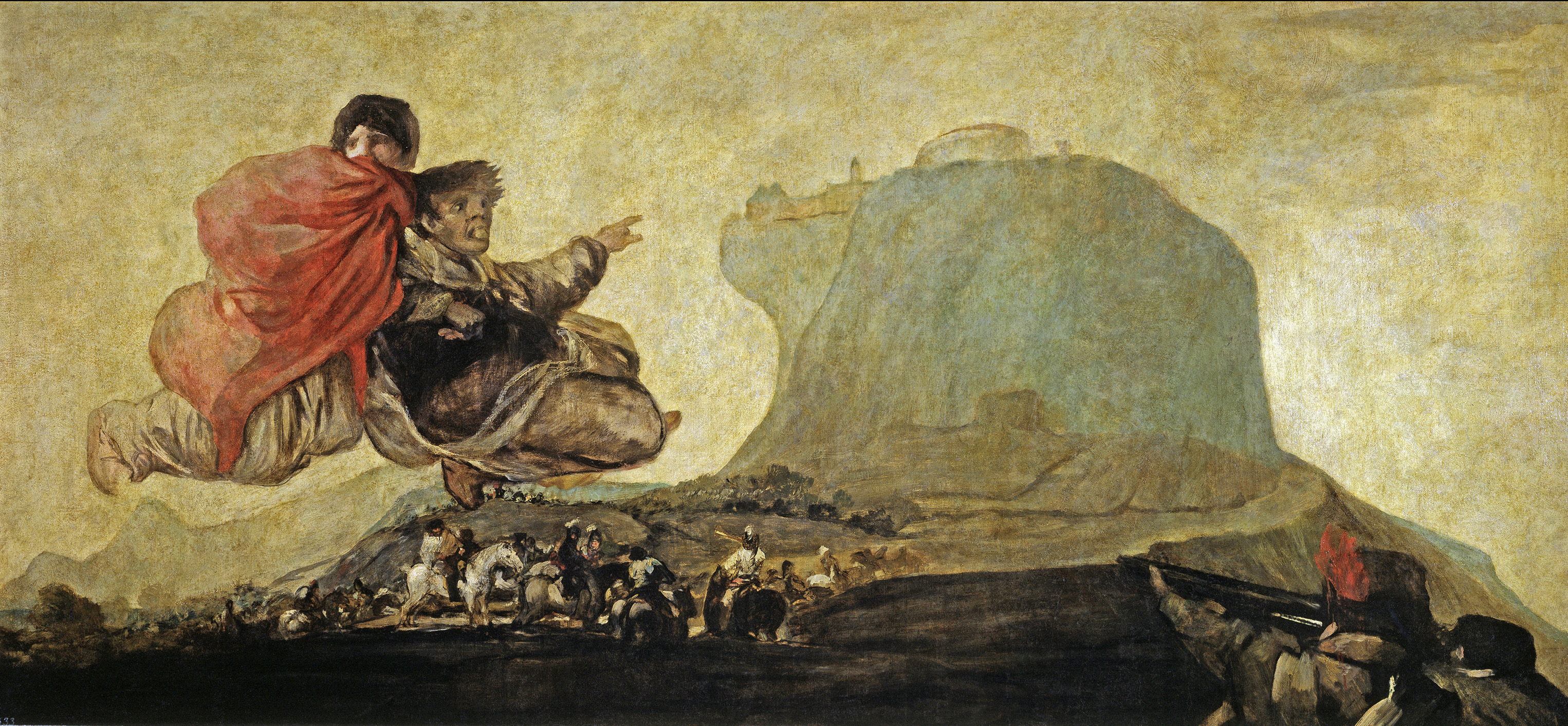
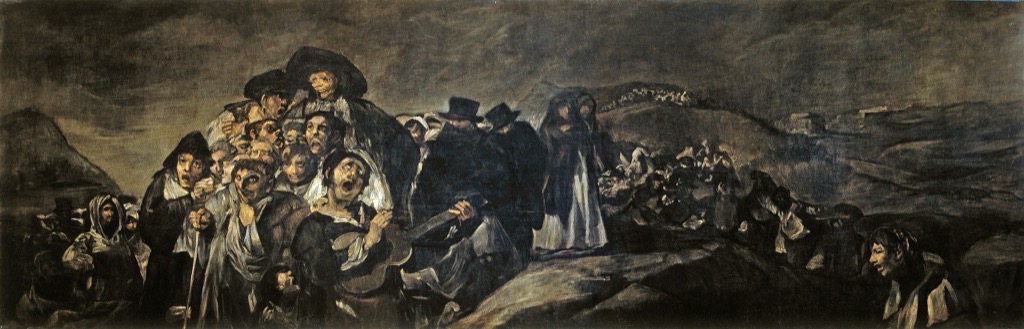
A serious illness in 1792–93 left him permanently deaf, and his art grew more personal and unsettling. The French invasion of 1808 and the brutal Peninsular War that followed inspired scenes of violence like A Scene from the Spanish War of Independence. Between about 1819 and 1823, alone in his house outside Madrid, the Quinta del Sordo, he painted the Black Paintings directly onto its walls, including Asmodea and Judith and Holofernes. He left Spain in 1824 and died in exile in Bordeaux in 1828.
How to Recognize Francisco Goya
- Two very different palettes: Early tapestry cartoons are bright and airy, with blue skies and pastel clothing. Late works are dominated by black, earth brown and murky ochre.
- Spanish costume: Look for majos and majas, the fashionable working-class Madrileños in short jackets, hairnets and mantillas.
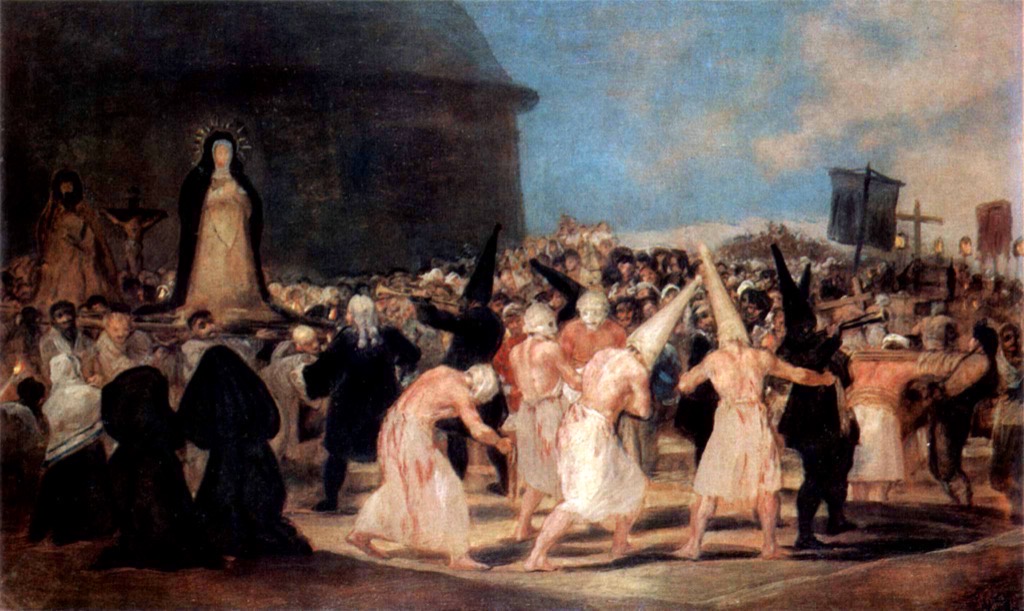
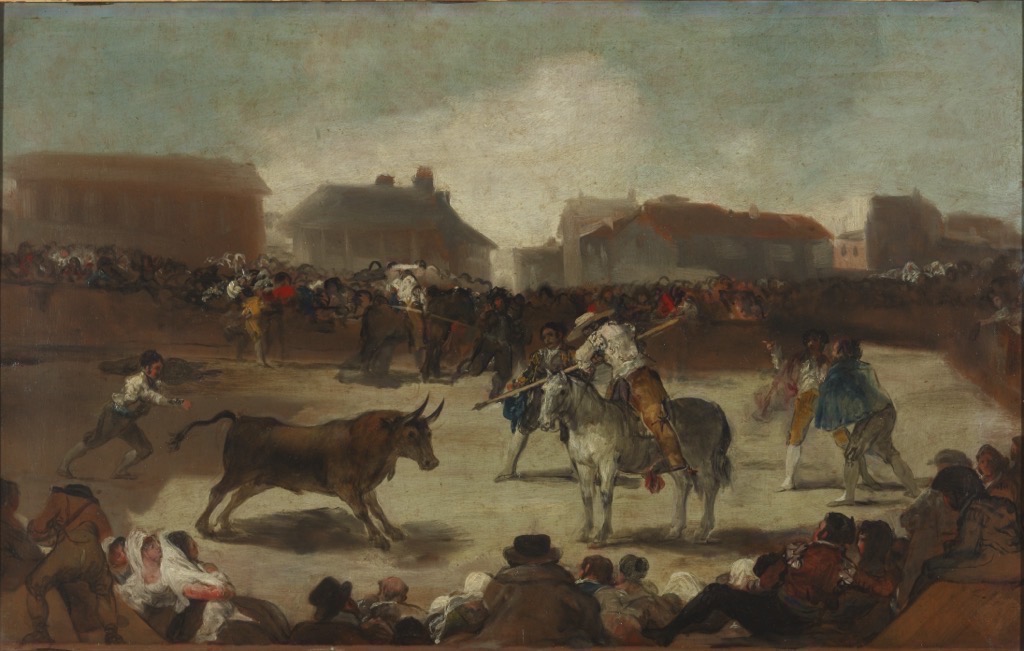
- Crowds and processions: Bullfights, pilgrimages, flagellant processions and village fiestas are recurring Goya subjects.
- Loose, expressive brushwork: Faces in the late works are sketched in a few rough strokes, decades before the Impressionists painted that way.
Where Francisco Goya Painted
The 21 works by Francisco Goya in the ArtGuess.io database were made in these places: