ArtGuess.io
Artist Guide
Yun Shouping
1633–1690 • China • 10 paintings in ArtGuess.io
The early Qing master of flower painting whose delicate “boneless” technique founded the Changzhou school.
Yun Shouping is counted among the Six Masters of the early Qing dynasty, alongside the Four Wangs and Wu Li. While his contemporaries focused on landscape, he became the defining flower painter of his age. Every one of his works in ArtGuess.io was painted in his home region of Changzhou.
Life and Places
Yun Shouping was born in 1633 in Wujin, part of Changzhou in Jiangsu province, at the very end of the Ming dynasty. His family remained loyal to the fallen Ming, and he never sought an official career under the new Qing rulers, instead supporting himself through painting.
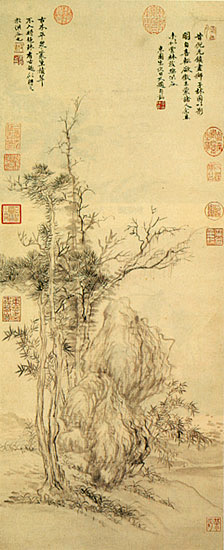
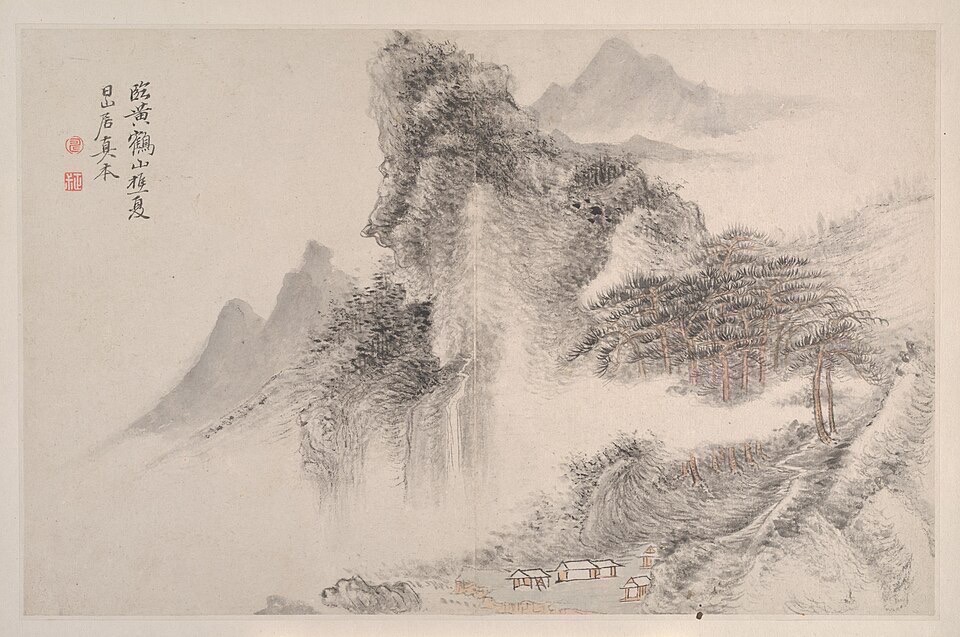
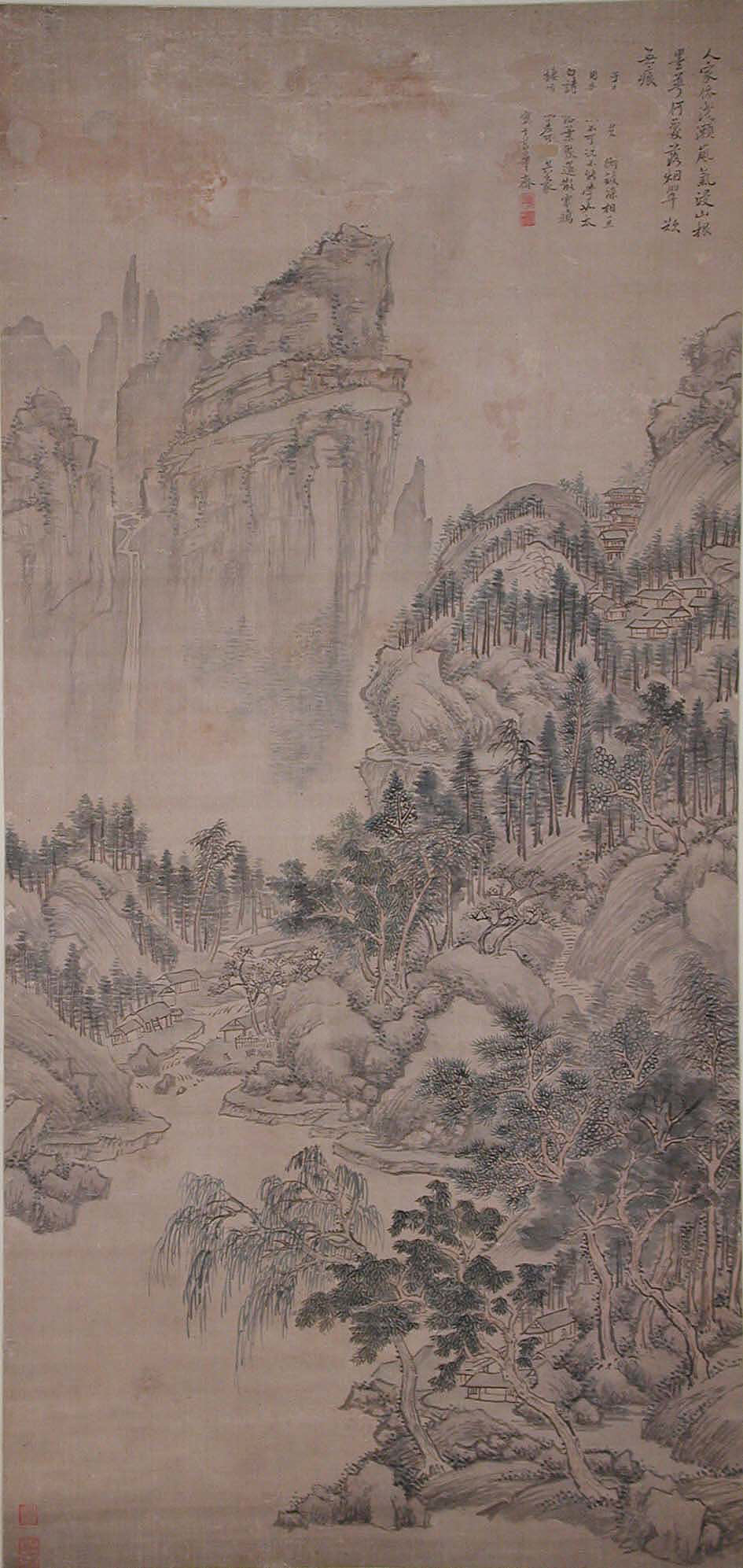
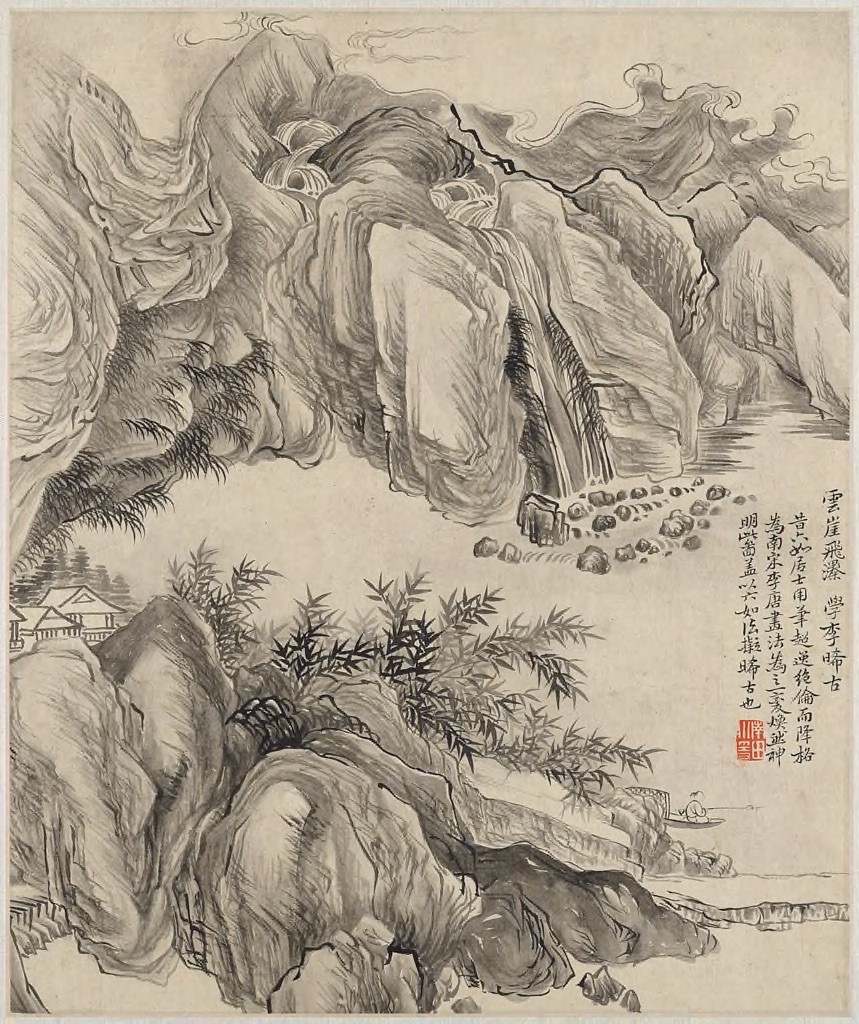
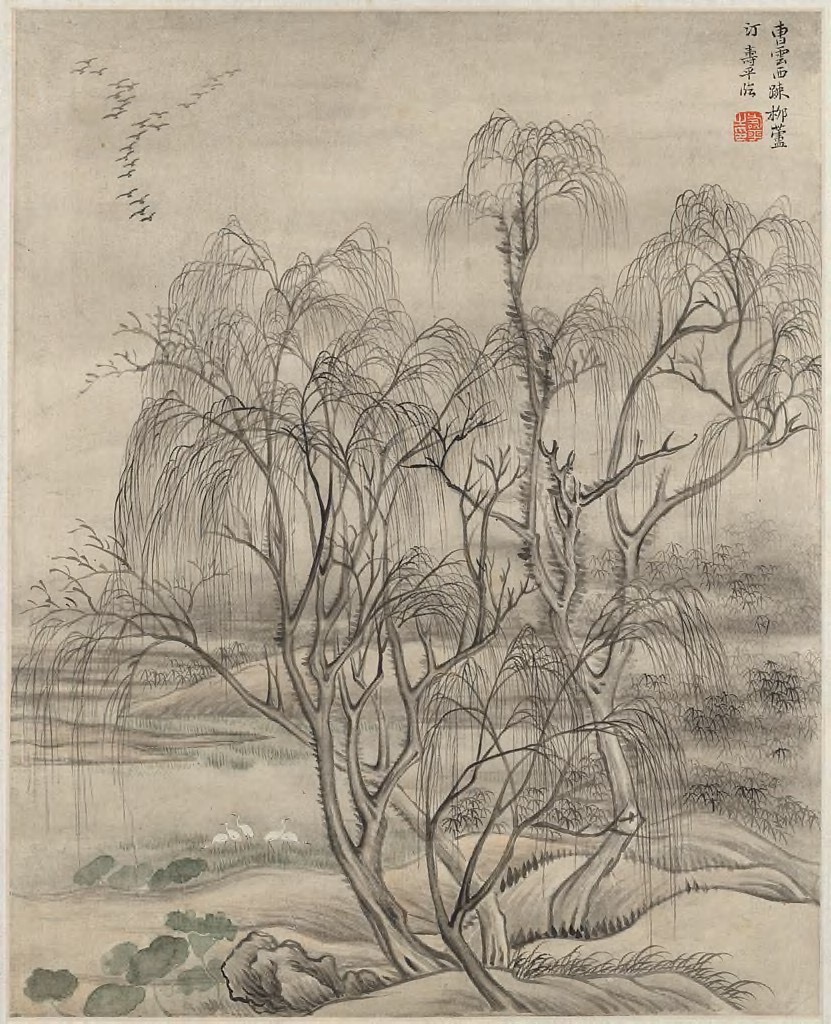
He was a close friend of the landscape master Wang Hui. A well-known story says that Yun, admiring Wang’s landscapes, decided to concentrate on flowers so as not to compete with him. Whether or not it is true, he still painted fine landscapes in the manner of earlier masters, such as his Landscape after Li Tang and Landscape after Cao Zhibo.
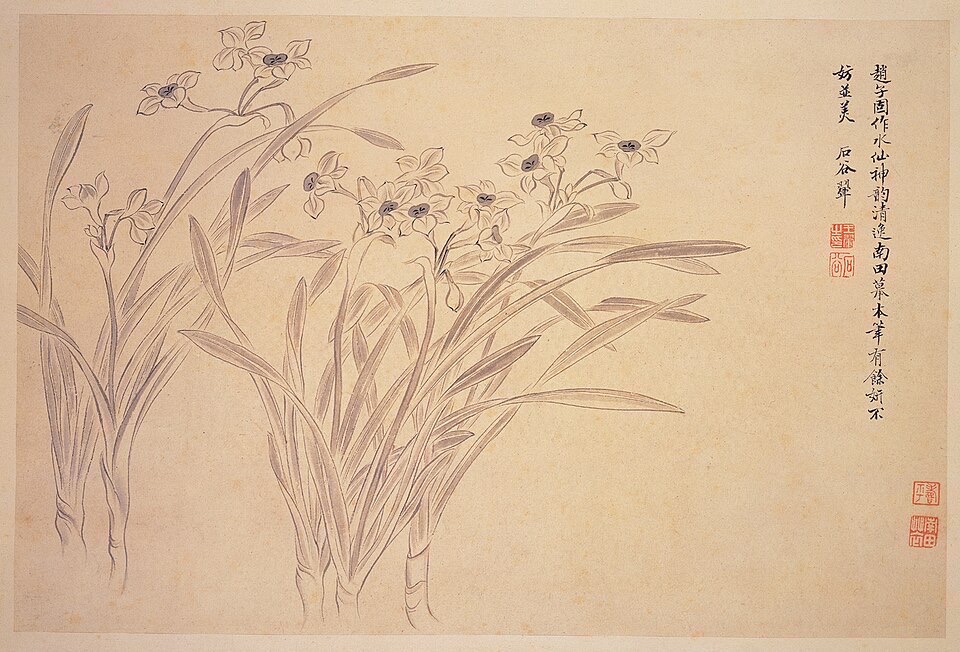
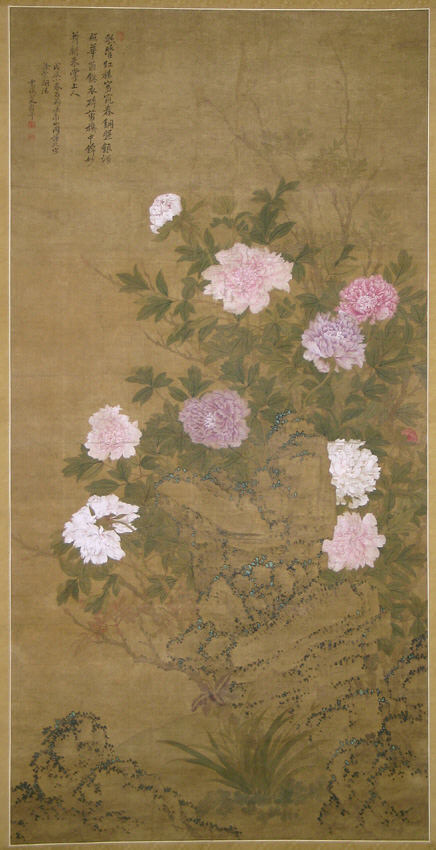
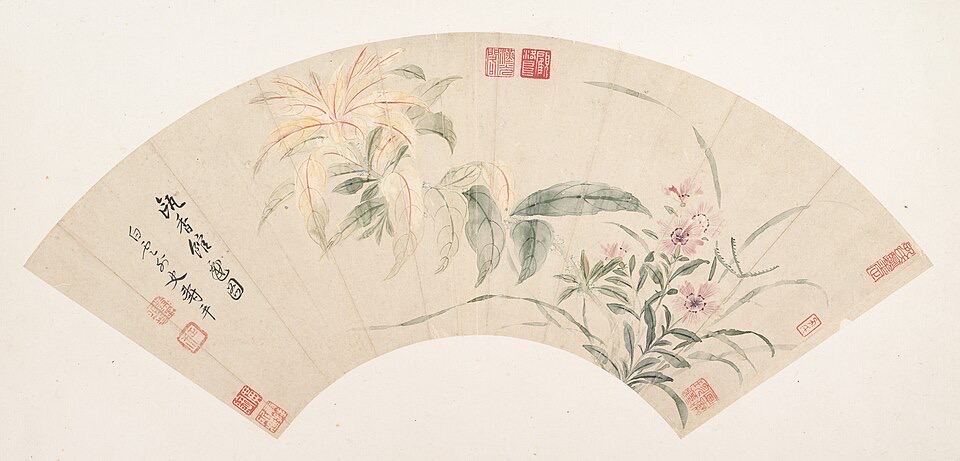
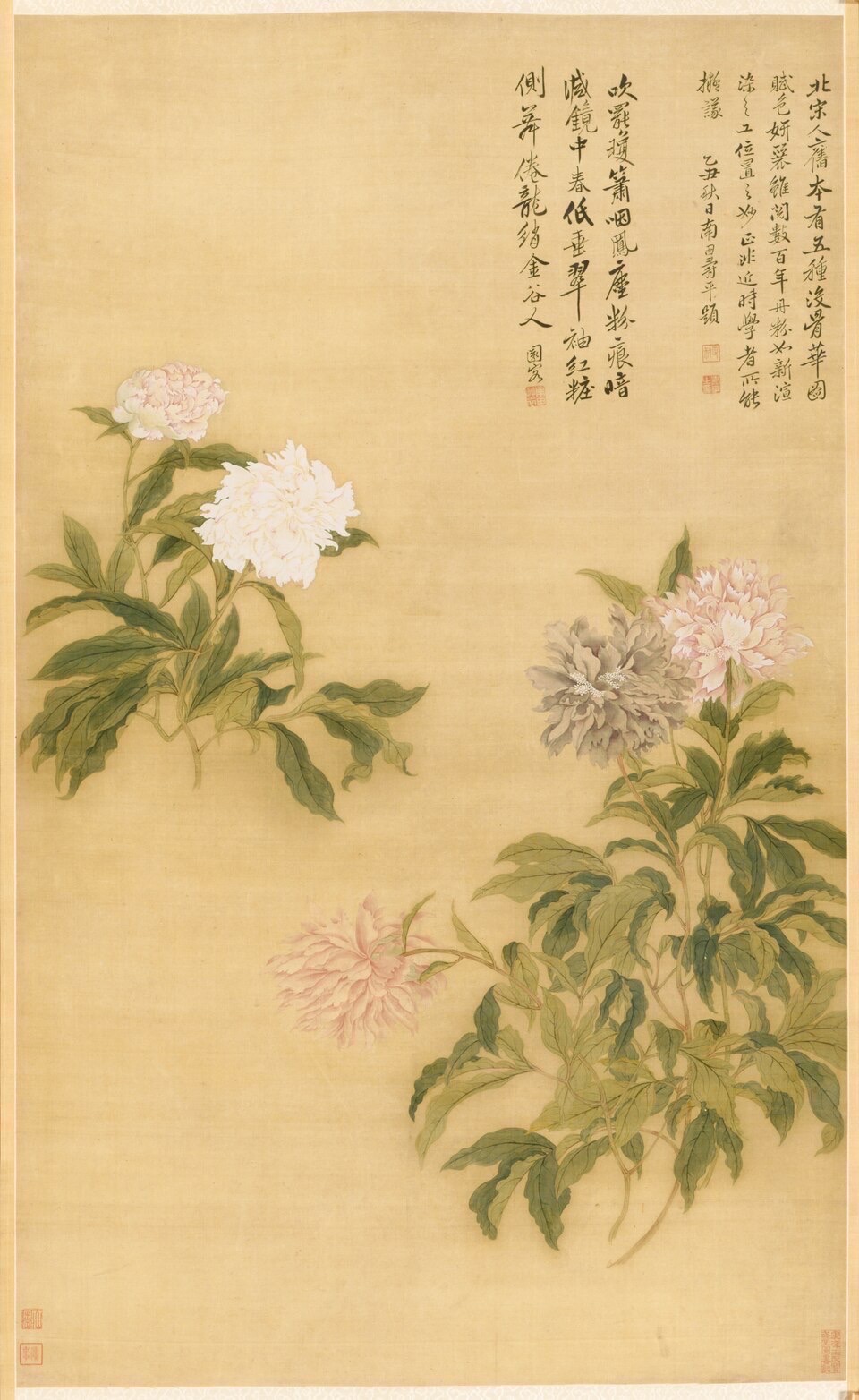
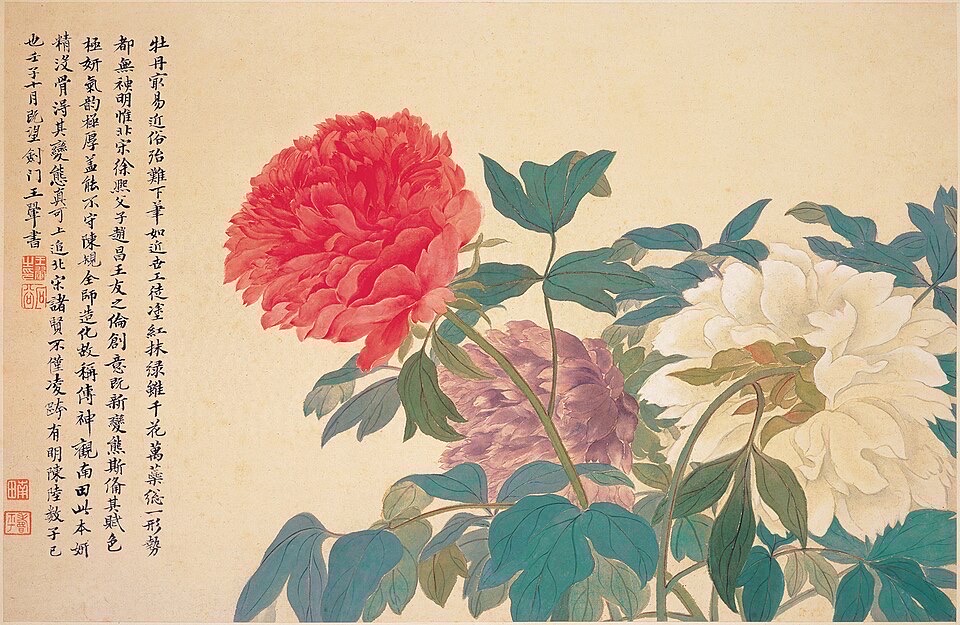
His fame rests on his flower paintings: peonies, narcissi, carnations and amaranthus rendered with soft, luminous colour. He revived the “boneless” (mogu) technique, in which forms are built directly in washes of colour without ink outlines. His followers became known as the Changzhou school, and his style influenced flower painting in China for generations. He died in 1690.
How to Recognize Yun Shouping
- Flowers without outlines: Petals and leaves formed by soft washes of colour rather than black ink contours.
- Album leaves: Many works are small album pages with a short inscription and the artist’s seal.
- Always Changzhou: All of Yun Shouping’s paintings in the game are placed in Changzhou, Jiangsu.
Where Yun Shouping Painted
The 10 works by Yun Shouping in the ArtGuess.io database were made in these places: