ArtGuess.io
Artist Guide
Wang Hui
1632–1717 • China • 16 paintings in ArtGuess.io
The leading landscape painter of the early Qing dynasty, who reinterpreted a thousand years of Chinese painting and led the Kangxi Emperor’s Southern Inspection Tour scrolls.
Wang Hui was the most celebrated landscape painter of early Qing-dynasty China and one of the “Four Wangs,” the masters who defined orthodox Chinese painting for two centuries. His works in ArtGuess.io range from intimate album leaves to sections of one of the largest imperial painting projects ever undertaken.
Life and Places
Wang Hui was born in 1632 in Changshu, in Jiangsu province, into a family of painters. His talent attracted the attention of two senior scholar-painters, Wang Jian and Wang Shimin, who gave him access to their collections of ancient masterpieces. Studying and copying these works became the foundation of his art.
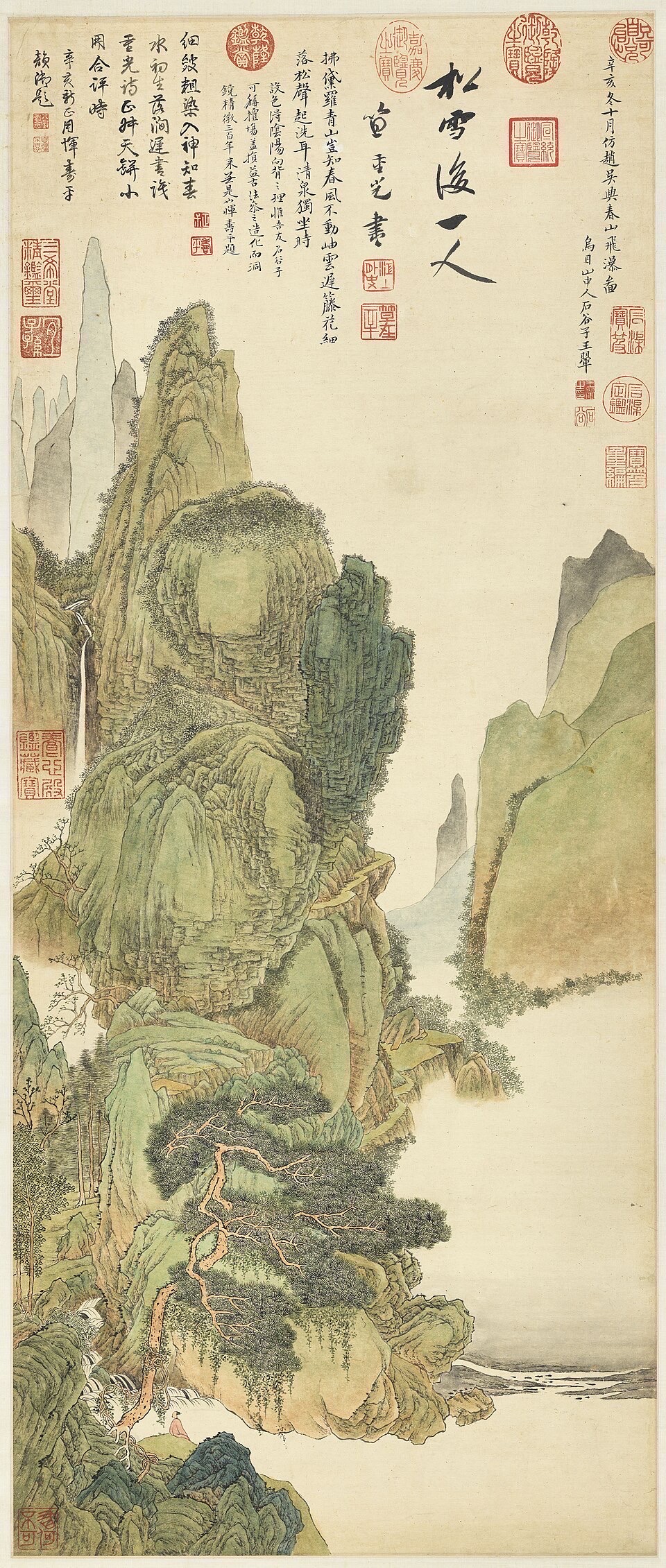
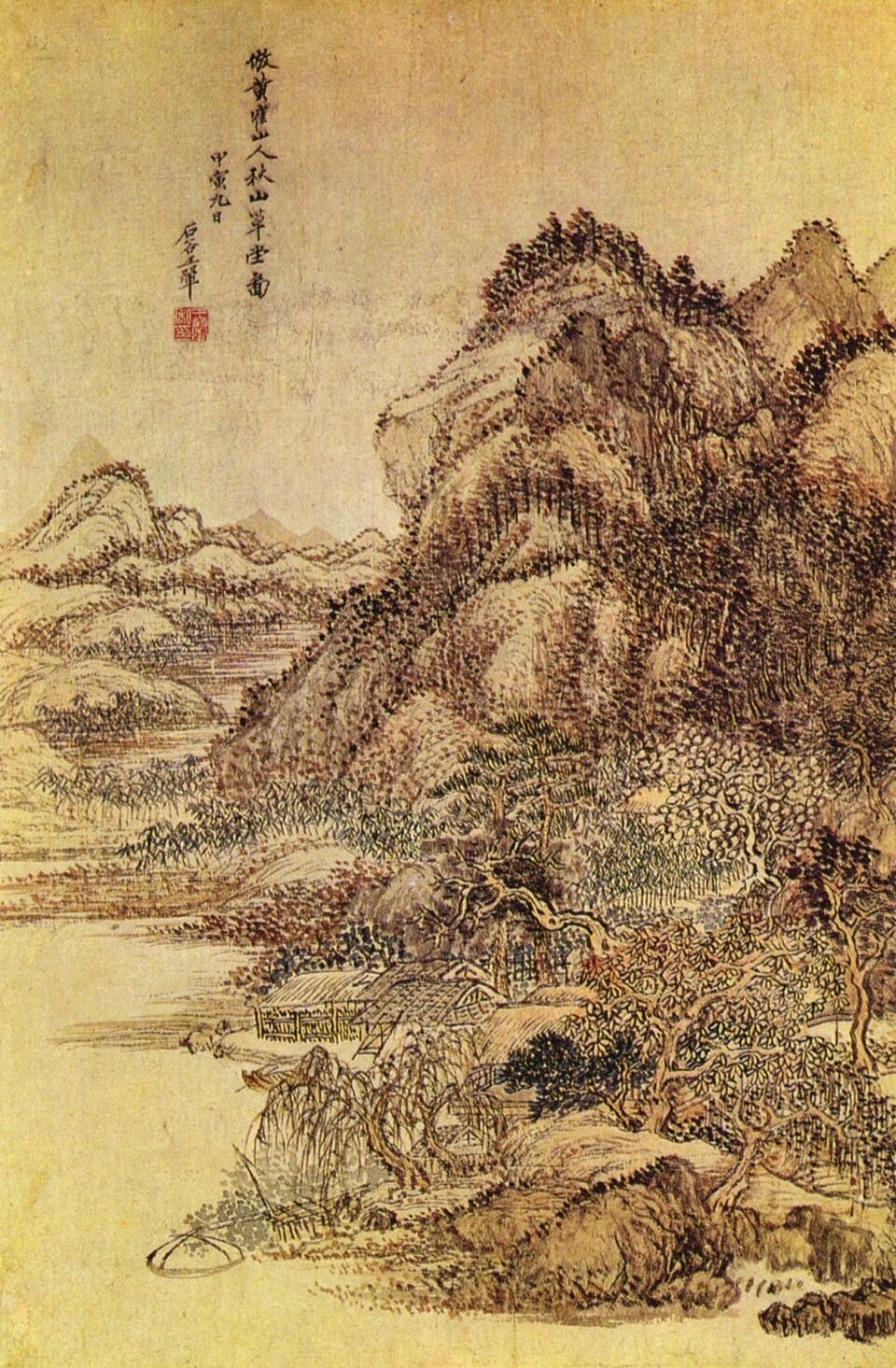
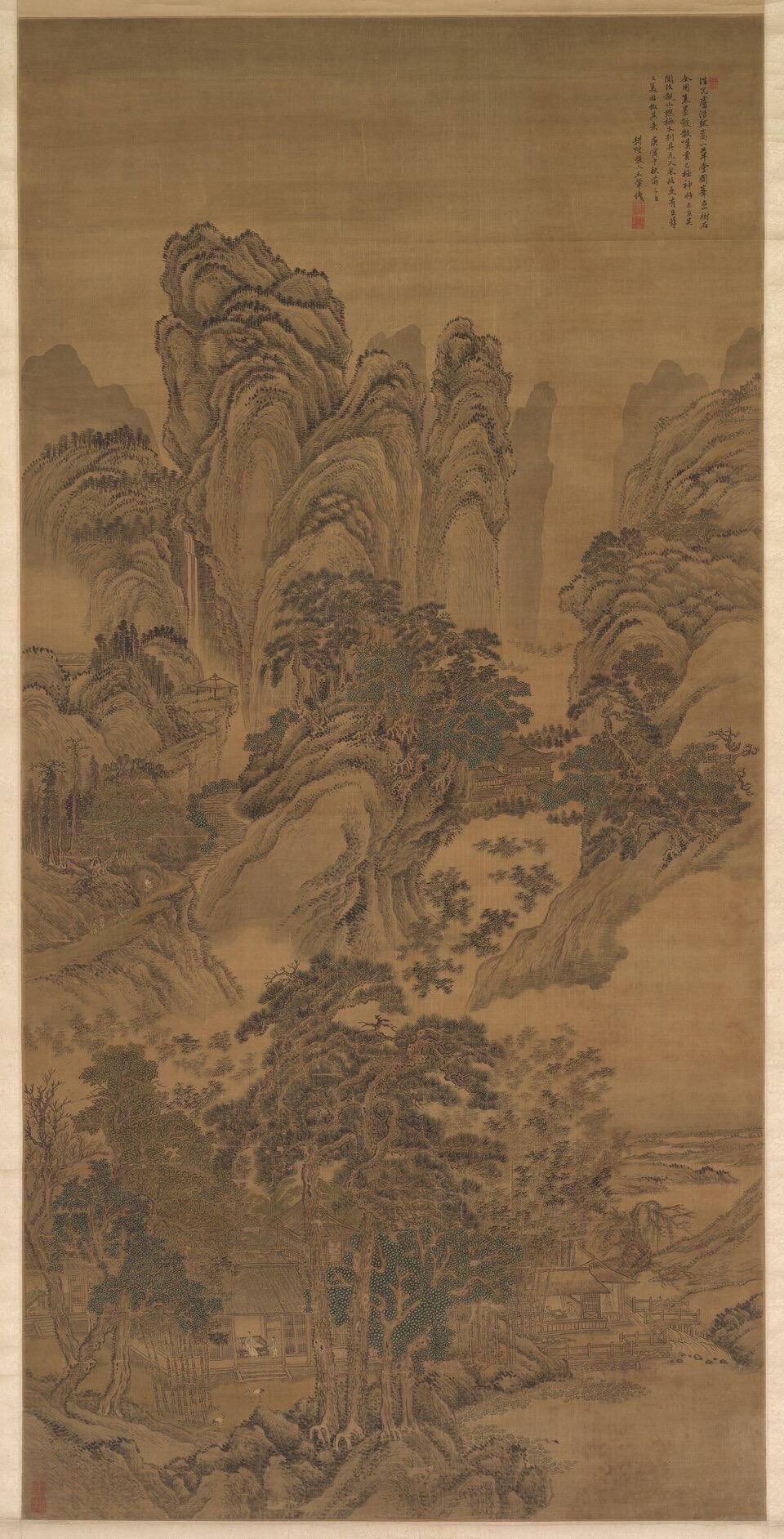
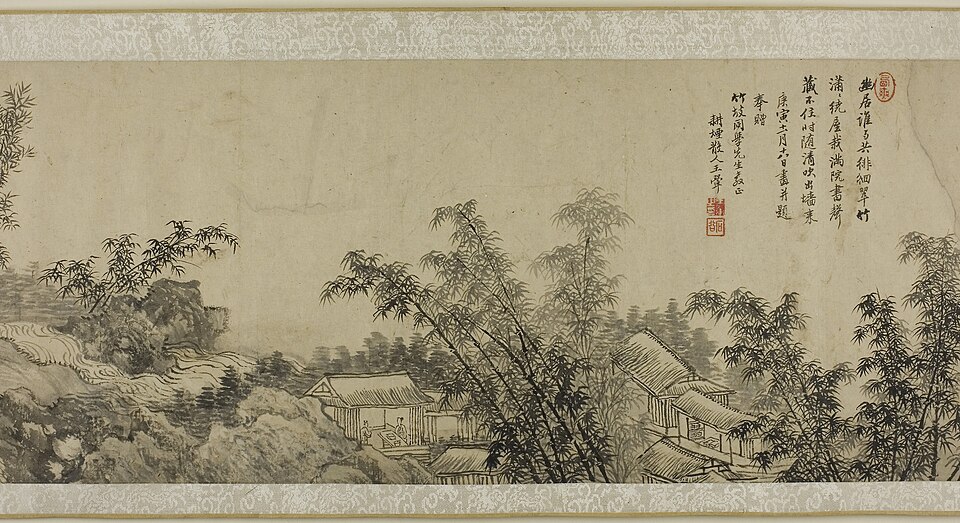
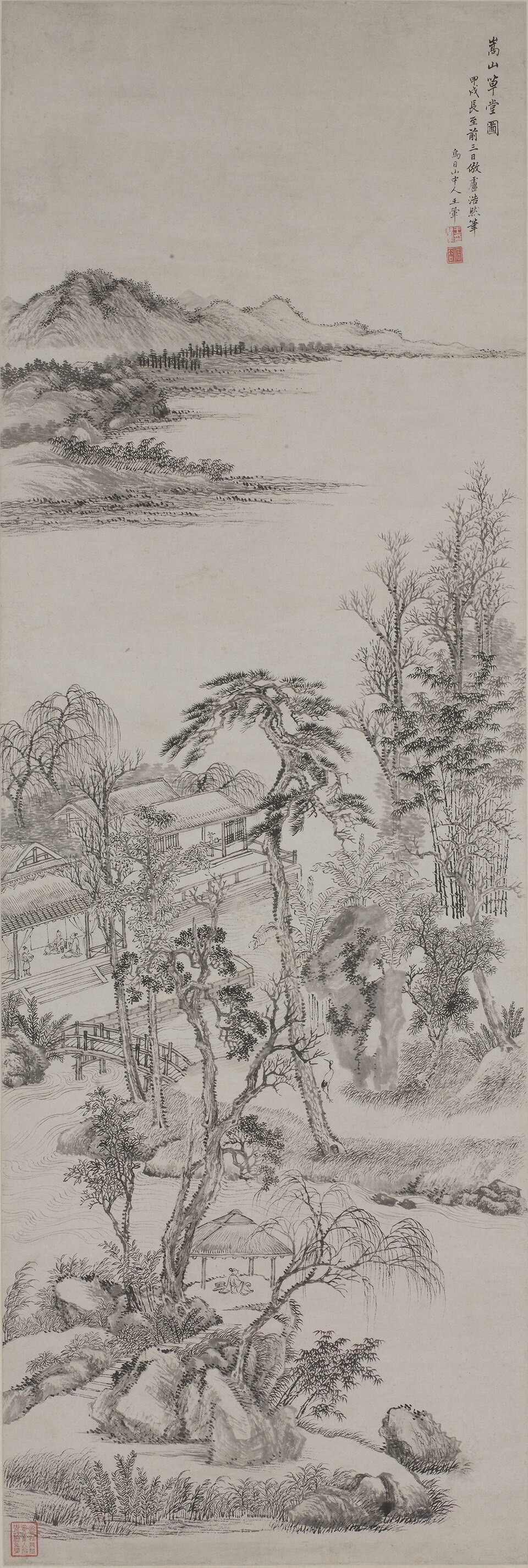
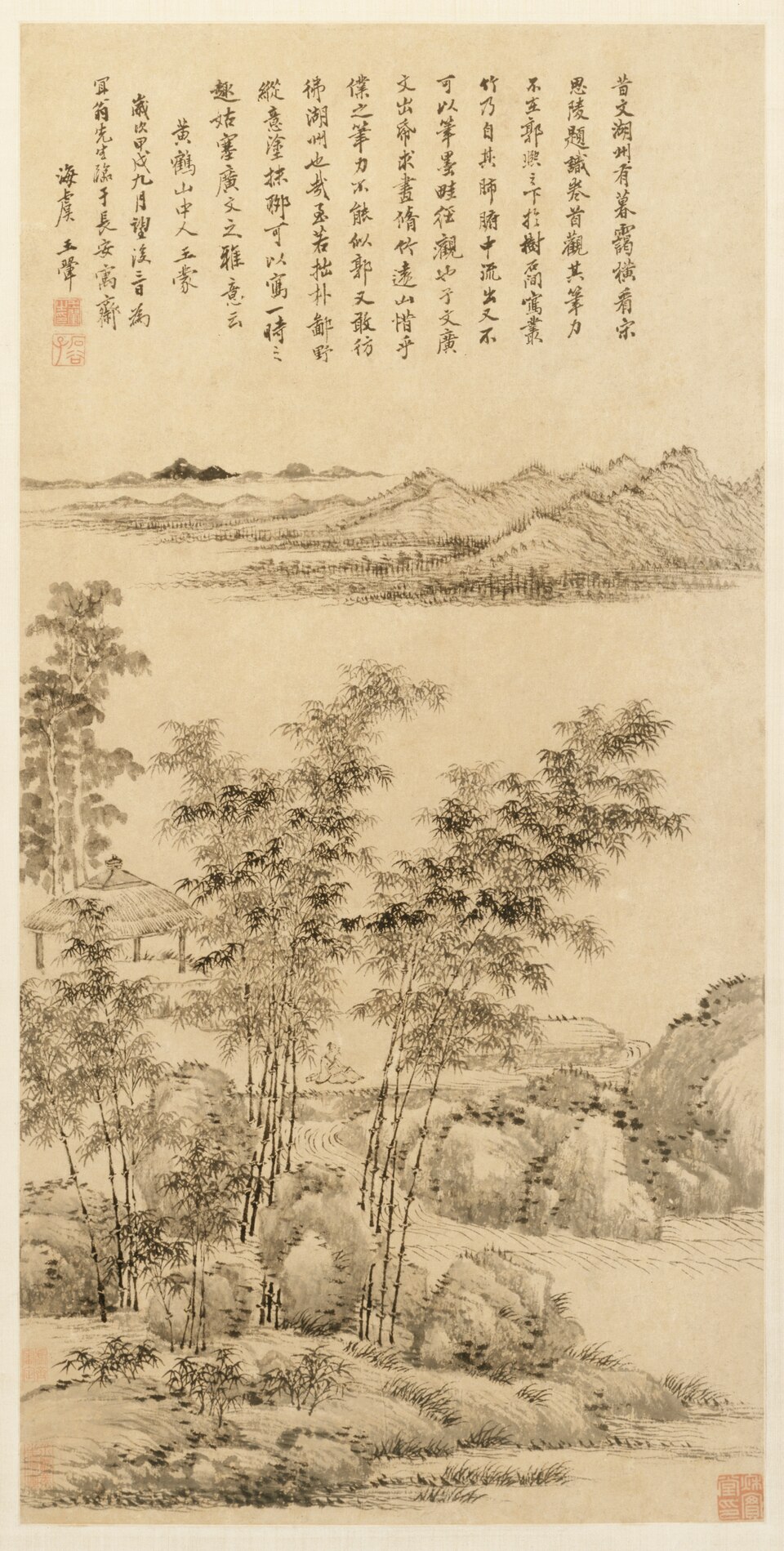
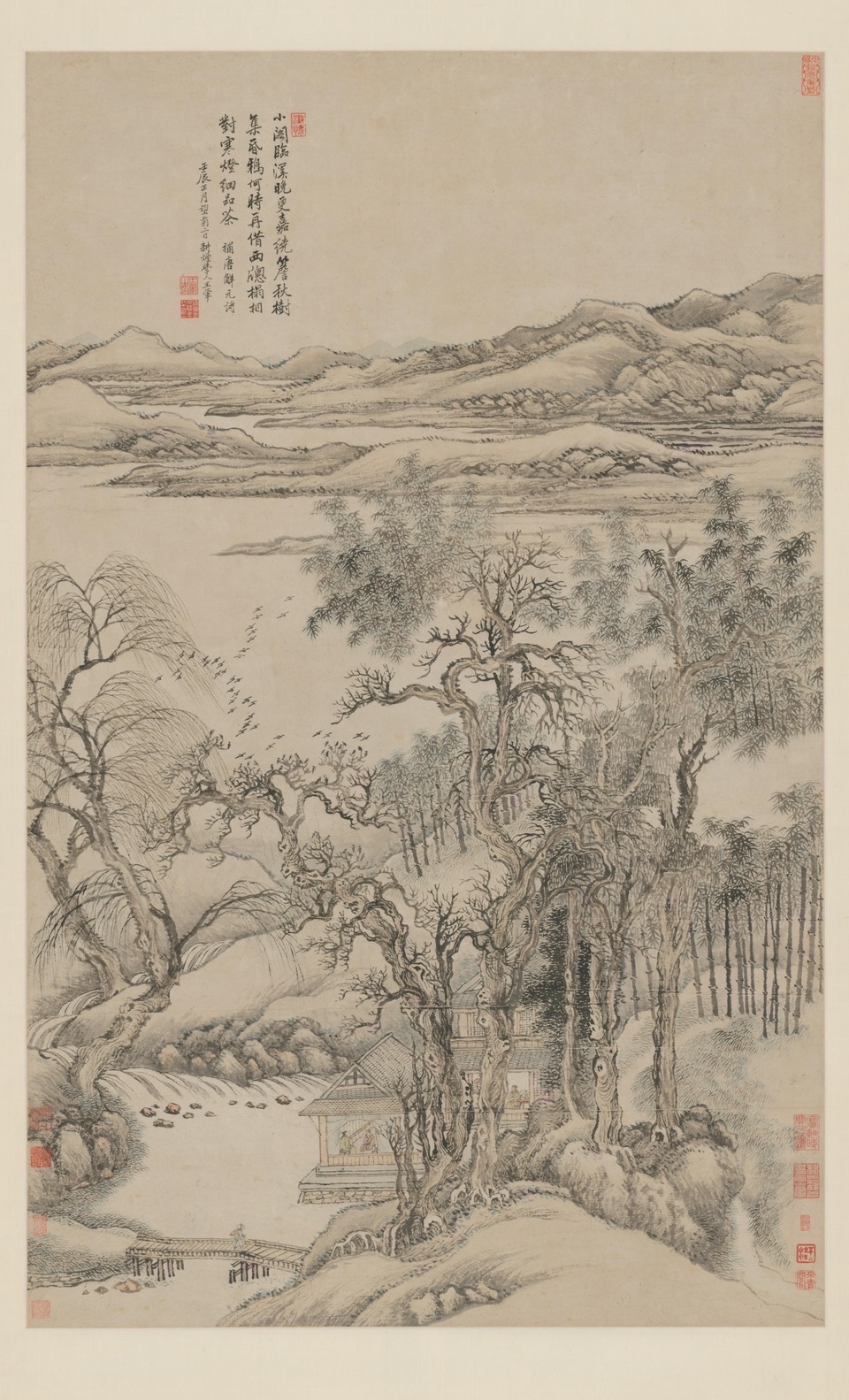
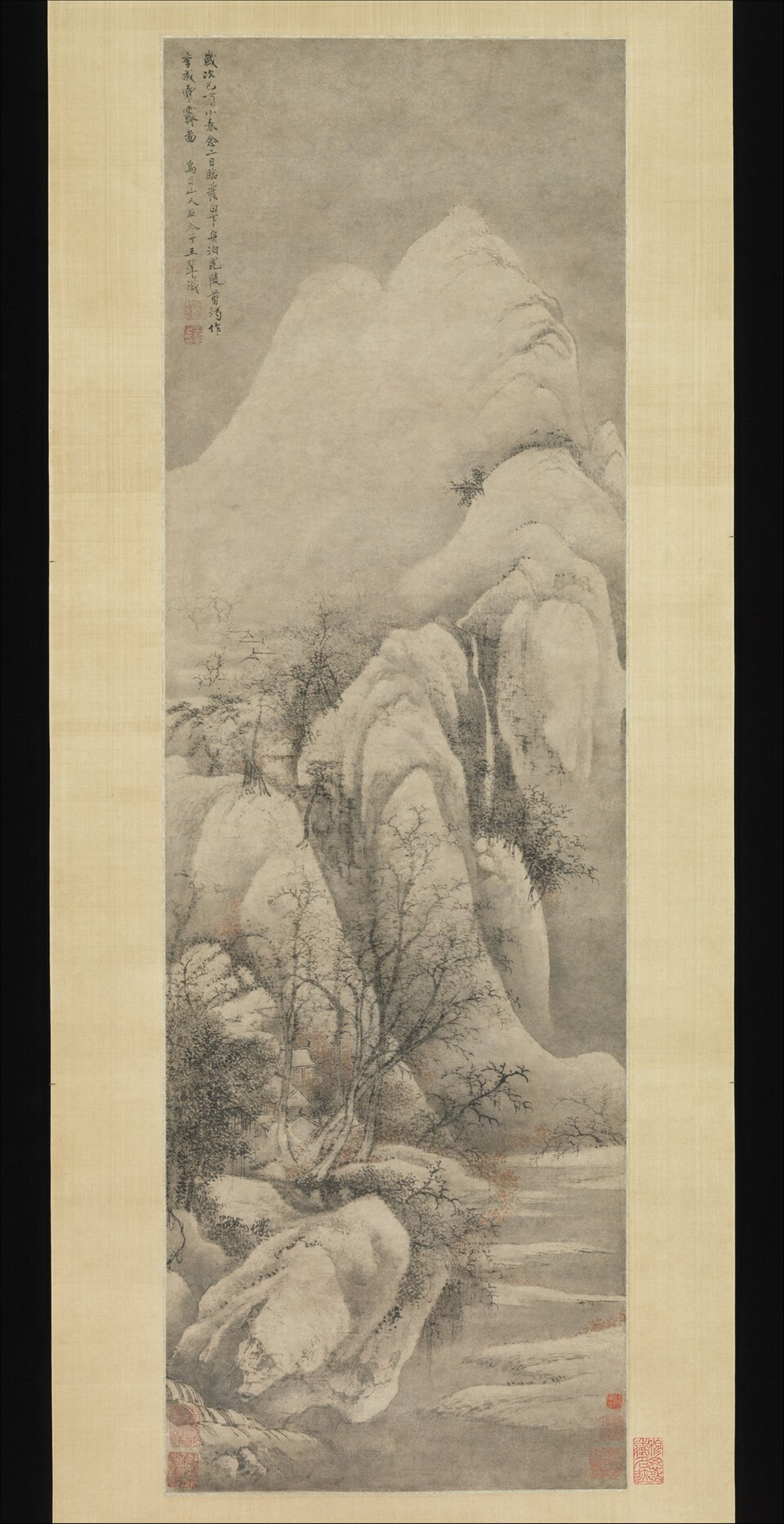
Many of his titles include the word “after,” as in Snow Clearing: Landscape after Li Cheng or Tall Bamboo and Distant Mountains, after Wang Meng. In Chinese painting this did not mean a copy. Painting in the manner of an old master was a respected way to show learning and to reinterpret tradition in one’s own brushwork. Wang Hui was praised for combining the strengths of both northern and southern styles.
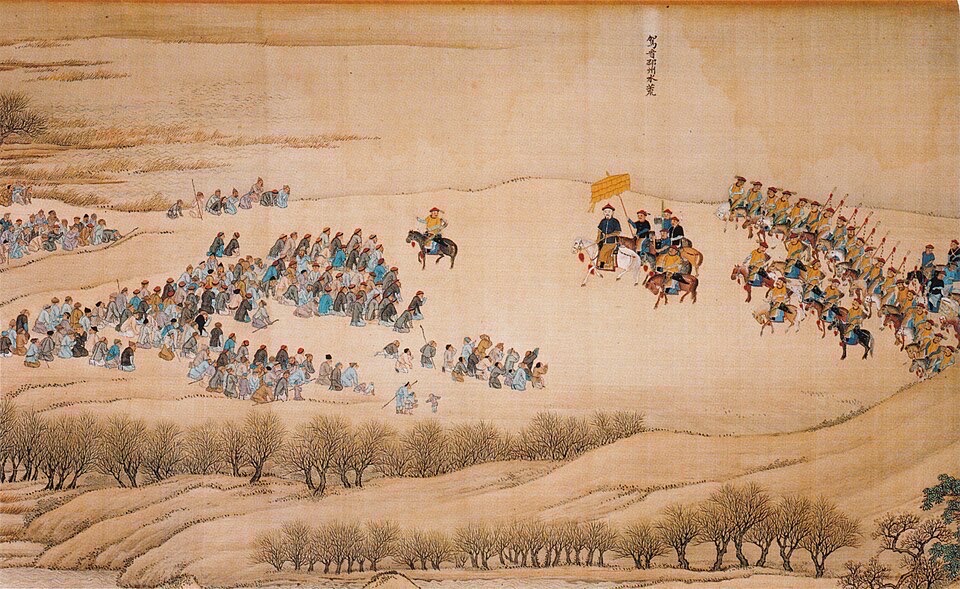
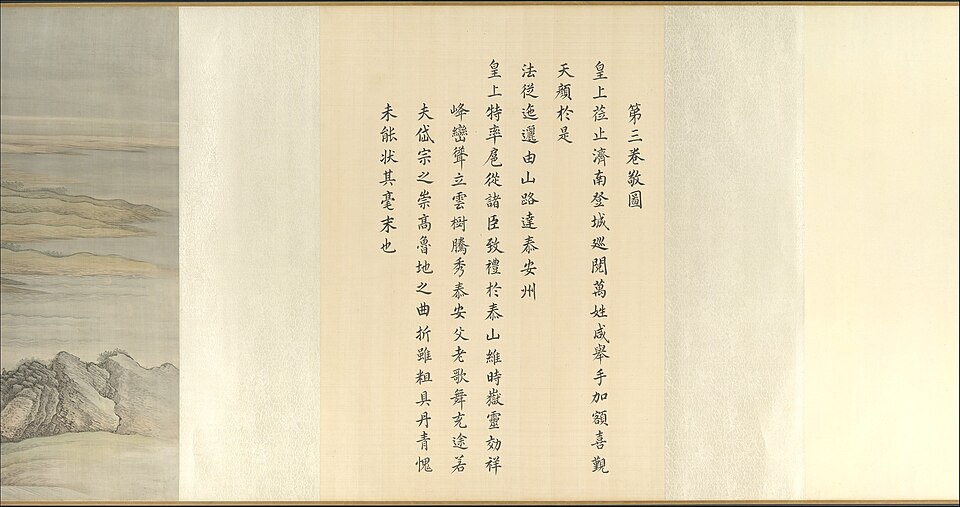
His fame brought him to Beijing. In 1691 he was summoned to lead a team of court artists painting The Kangxi Emperor’s Southern Inspection Tour, a set of twelve enormous handscrolls recording the emperor’s journey through southern China, completed in 1698. He later returned to Changshu, where he continued to paint until his death in 1717.
How to Recognize Wang Hui
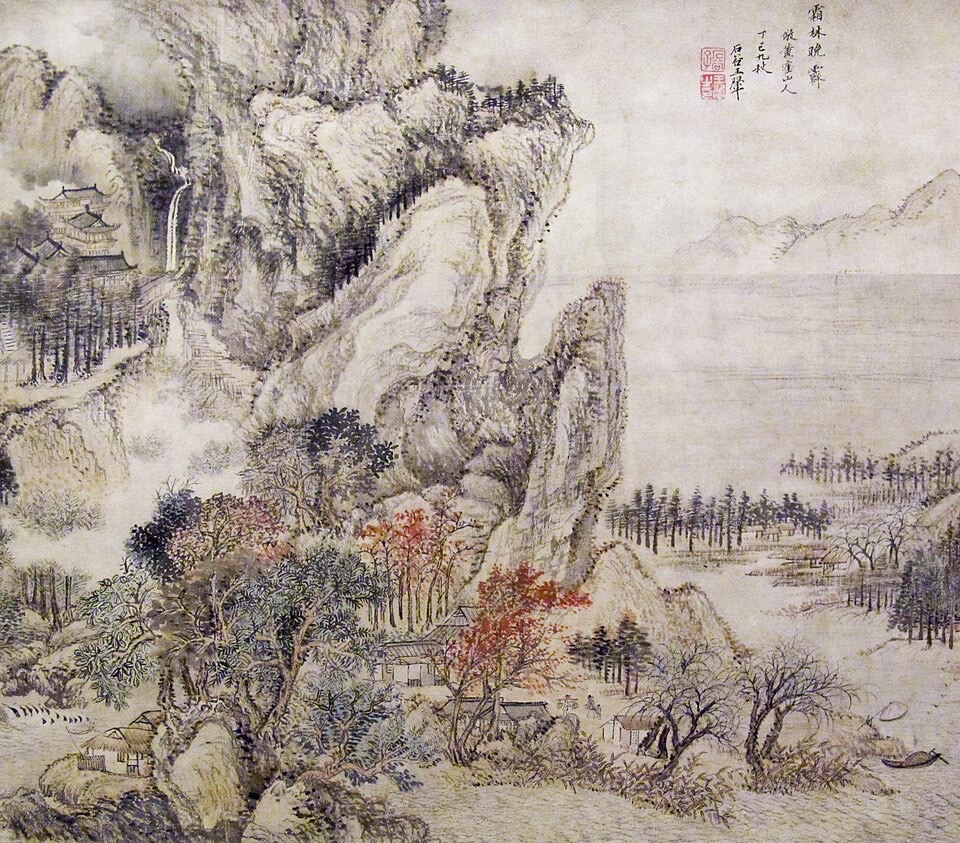
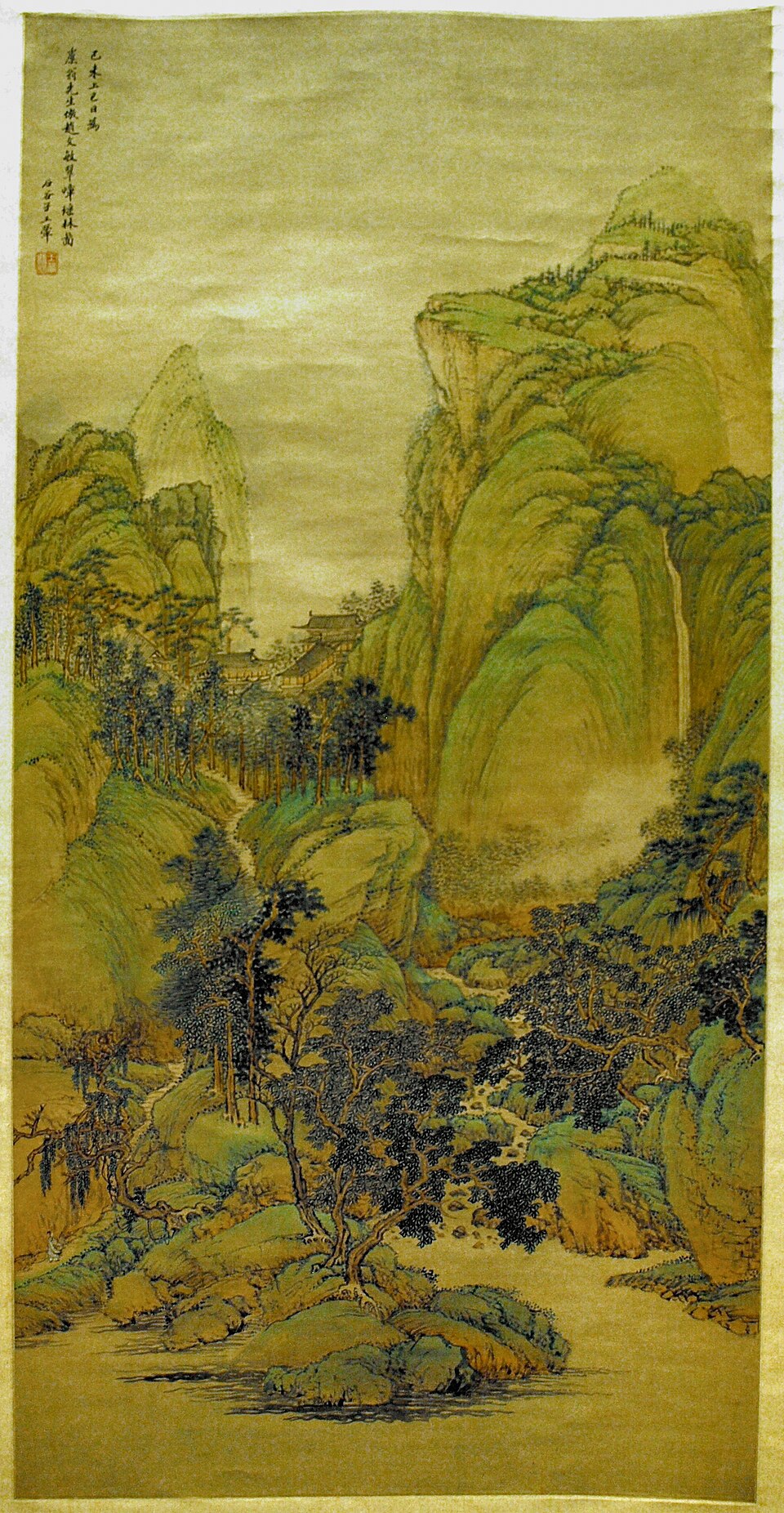
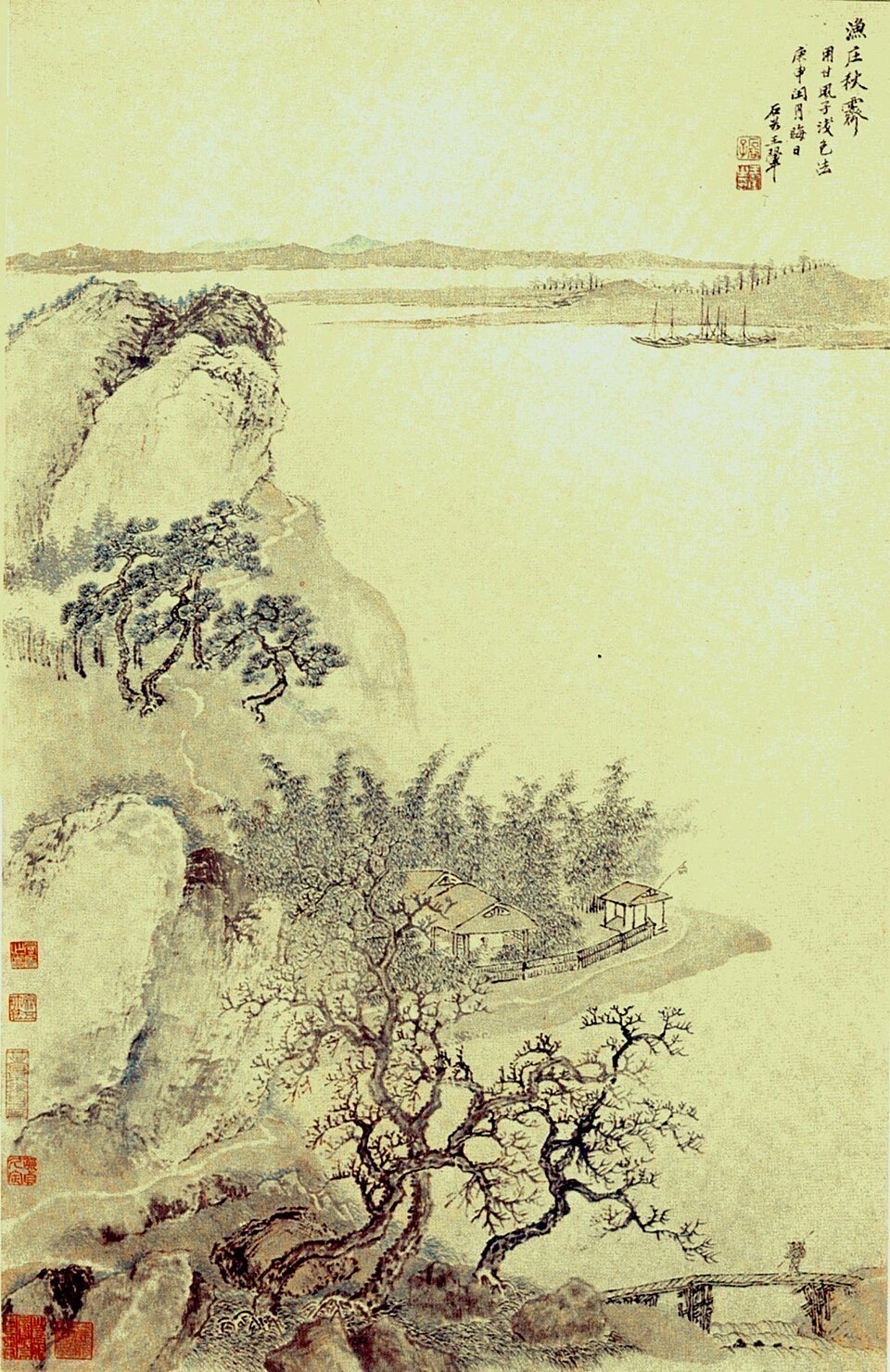
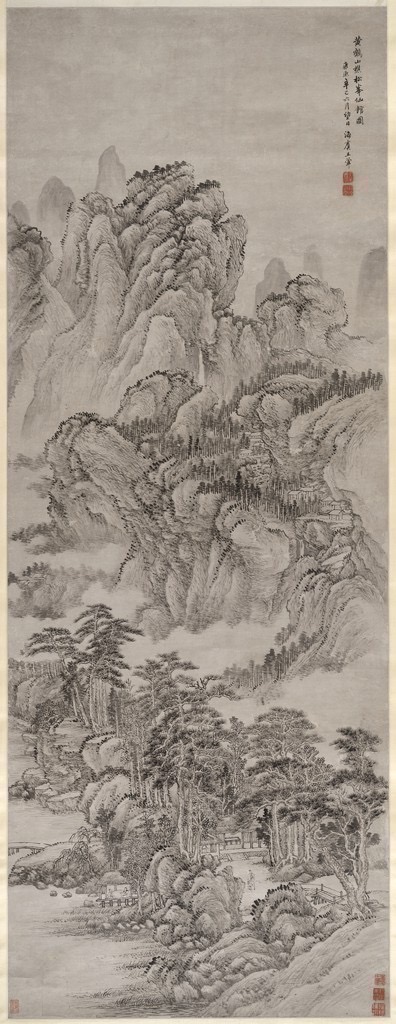
- Ink landscape conventions: Towering mountains, waterfalls, pines and tiny scholars’ huts, painted in ink and light colour on long scrolls.
- Inscriptions and seals: Columns of calligraphy and red seal stamps are part of the composition.
- Jiangsu by default: Most of his works were painted in his hometown of Changshu, near Suzhou; imperial commissions point to Beijing.
Where Wang Hui Painted
The 16 works by Wang Hui in the ArtGuess.io database were made in these places: